
The Shift Toward Evidence-Informed Self-Care
According to reports, women's wellness conversations are becoming more practical and body-literate in 2026, marking a significant departure from trend-led approaches. This evolution reflects a broader movement toward evidence-informed daily routines, with particular emphasis on hygiene-focused practices as fitness participation, skincare education, and menstrual tracking become mainstream.
Five key wellness rituals are emerging as foundational elements in this transformed approach to self-care, each grounded in practical application rather than fleeting trends.
1. Intimate Hygiene with pH Awareness
The first ritual centers on intimate hygiene practices that prioritize pH balance awareness. This approach represents a shift toward understanding the science behind intimate health rather than following generic hygiene advice. Women are increasingly focusing on pH-safe practices that support natural body chemistry rather than disrupting it.
This ritual emphasizes the importance of informed choices in intimate care products and practices, moving away from harsh or unnecessary interventions that can compromise natural balance.
2. Menstrual Cycle Tracking as a Health Tool
Cycle tracking has evolved beyond fertility awareness to become a comprehensive health monitoring tool. According to reports, women are using menstrual tracking to gain insights into their overall health patterns, energy levels, and wellness indicators.
This practice transforms menstruation from a monthly inconvenience into valuable health data, allowing women to better understand their bodies and make informed decisions about their wellness routines throughout different cycle phases.
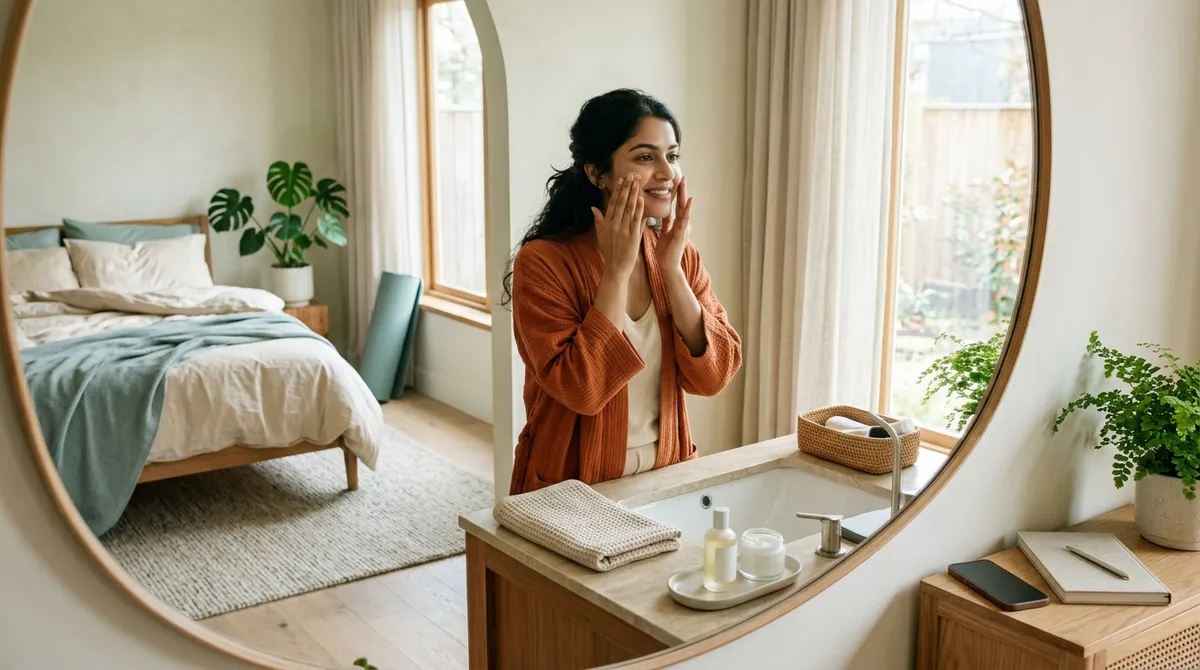
3. Skin Barrier Maintenance as Daily Discipline
Skin barrier maintenance has emerged as a daily discipline rather than an occasional treatment. This ritual focuses on consistent practices that support the skin's natural protective function, emphasizing prevention over correction.
The approach prioritizes understanding how daily habits impact skin health, moving beyond surface-level skincare to comprehensive barrier protection strategies that support long-term skin wellness.
4. Post-Exercise Hygiene as Fixed Commitment
Post-workout hygiene has evolved into a non-negotiable commitment rather than an optional practice. This ritual recognizes the critical importance of proper hygiene immediately following exercise to prevent skin issues, infections, and other health complications.
The emphasis on making this a "fixed commitment" reflects the growing understanding of how proper post-exercise care impacts overall health and wellness outcomes, particularly as more women engage in regular fitness activities.
5. Sleep-Time Hygiene as Repair Preparation
The final ritual positions sleep-time hygiene as active preparation for the body's repair processes. This approach treats bedtime routines as essential wellness practices that support overnight recovery and regeneration.
Rather than viewing sleep hygiene as simple cleanliness, this ritual emphasizes creating optimal conditions for the body's natural repair mechanisms to function effectively during rest.
The Practical Wellness Revolution
These five rituals collectively represent what experts describe as a move toward more practical, body-literate wellness approaches. The focus on hygiene-centered practices reflects a growing understanding of how daily habits impact long-term health outcomes.
According to reports, this shift toward evidence-informed routines offers significant opportunities for education around myth-busting in women's wellness. The strongest applications involve clarifying what women should stop doing in the name of hygiene or wellness, replacing misinformation with science-based practices.
Implementation and Impact
The emphasis on consistency and informed decision-making distinguishes these 2026 wellness rituals from previous self-care trends. Each practice is designed to be sustainable and based on understanding rather than compliance with external standards.
This evolution in women's wellness reflects a broader cultural shift toward health literacy and personal empowerment in self-care decisions. The focus on practical, evidence-based rituals suggests a maturing wellness landscape that prioritizes long-term health outcomes over short-term trends.
As these practices become more mainstream, they represent a fundamental change in how women approach self-care—moving from reactive treatments to proactive, informed daily habits that support overall wellness and health literacy.