If you've been wondering whether recovery tech belongs in your regular movement routine, a studio partnership in Oxford offers a useful test case. By the end of this piece, you'll know what's been announced, what questions to ask before trying red light therapy yourself, and how to build recovery into your week without needing any gadgets at all.
What's been announced in Oxford
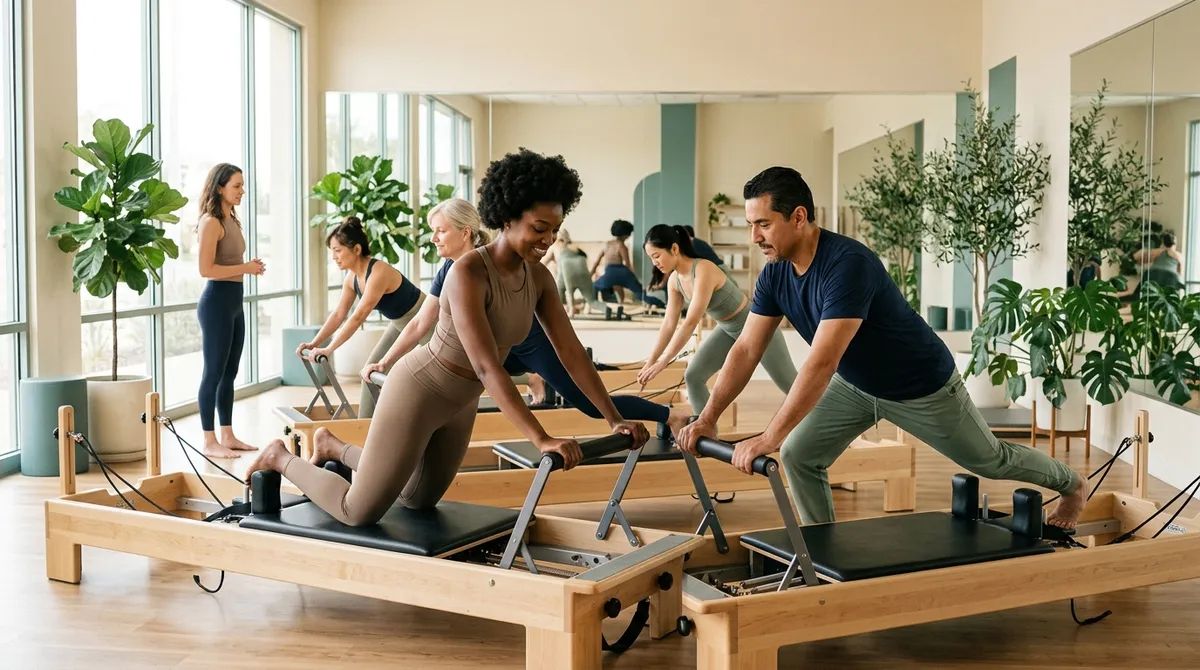
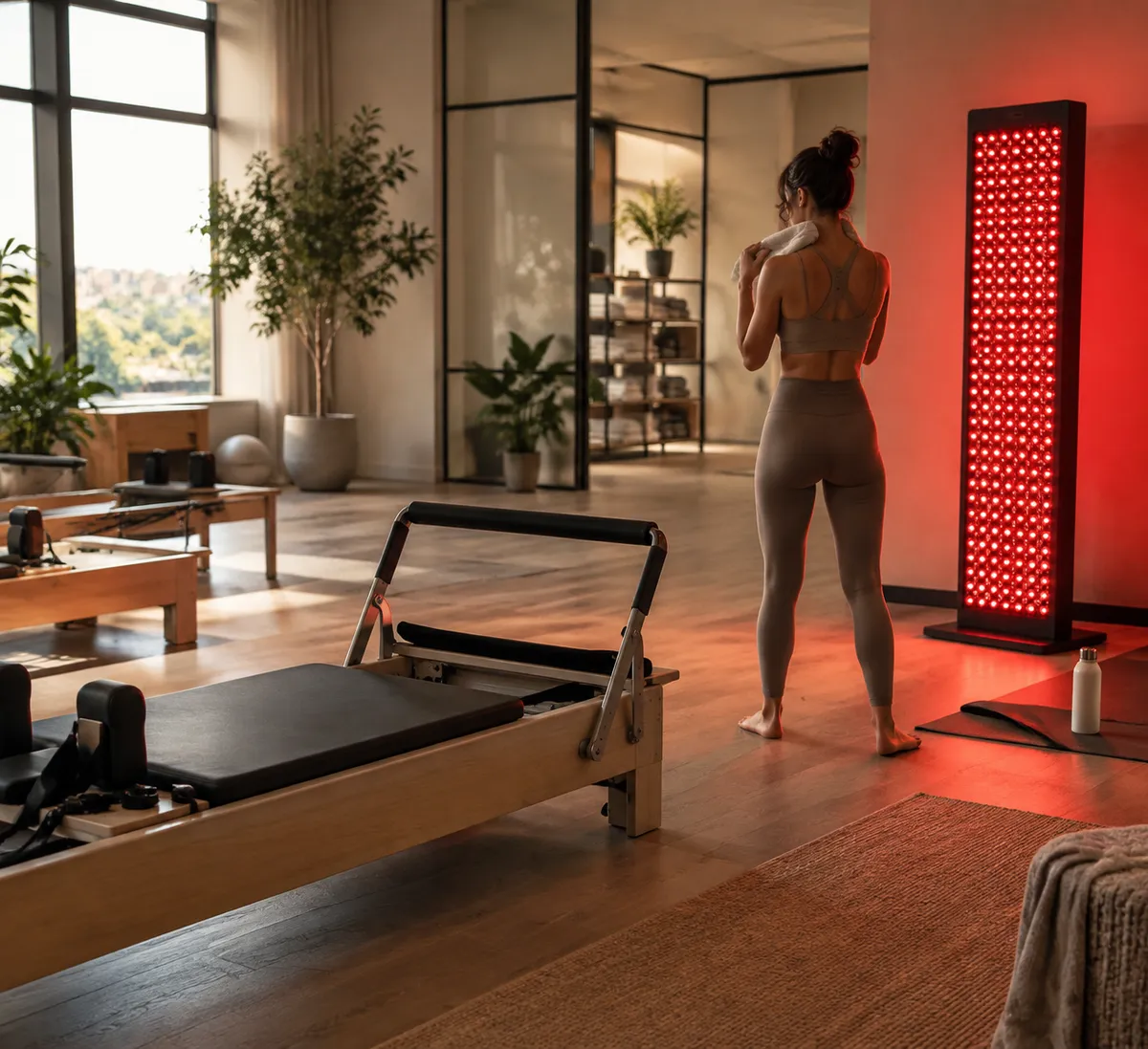
Per the Oxford Mail, STRONG Pilates Oxford and the wellness centre Khanom's are working with wellness technology brand BON CHARGE. The partnership brings red light therapy into Pilates, yoga, and dedicated recovery spaces.
The report frames this as part of a bigger shift: recovery tech moving out of elite wellness circles and into everyday fitness routines. The details beyond that, such as pricing, session lengths, and class schedules, weren't part of the coverage I have, so check directly with the studios before you plan a visit.
Why recovery is now part of the workout
For a long time, the workout was the main event and recovery was whatever happened afterward on your sofa. That's changing. Consumers are looking beyond the workout itself toward longevity, performance, and general wellbeing, and studios are responding by building recovery into the experience.
That's the logic behind a "train, recover, reset" model: you move, then you deliberately slow down. Whether or not red light is your thing, the structure is sensible. Pilates and yoga already sit close to that idea, since both emphasise controlled movement, breath, and body awareness.
Red light therapy, in plain terms
Red light therapy is a wellness technology that uses red light, typically as a session you sit or stand near. It's still fairly new to most UK adults, though adoption is reportedly rising quickly.
"New and popular" isn't the same as "proven for everything," and the coverage I'm drawing on doesn't make specific health claims. So treat it as an add-on to good habits, not a replacement for them. If you have a medical condition, are pregnant, or take medication that affects light sensitivity, talk to a GP or qualified professional first.
How to approach it as a beginner
If your local studio starts offering something similar, here's a practical way to try it without overthinking it.
1. Ask what a session actually involves
Find out how long it lasts, whether it's offered before or after class, and whether it's a separate booking. Clear answers are a good sign.
2. Change one thing at a time
Keep your normal Pilates or yoga routine the same for a few weeks, then add the light session. If you change everything at once, you won't know what's helping.
3. Track how you feel
After each session, jot down two things: how your body feels the next morning and how well you slept. A simple note beats a vague impression.
4. Don't skip the basics
Sleep, water, protein, and rest days do the heavy lifting for recovery. Any technology is the cherry on top, not the cake.
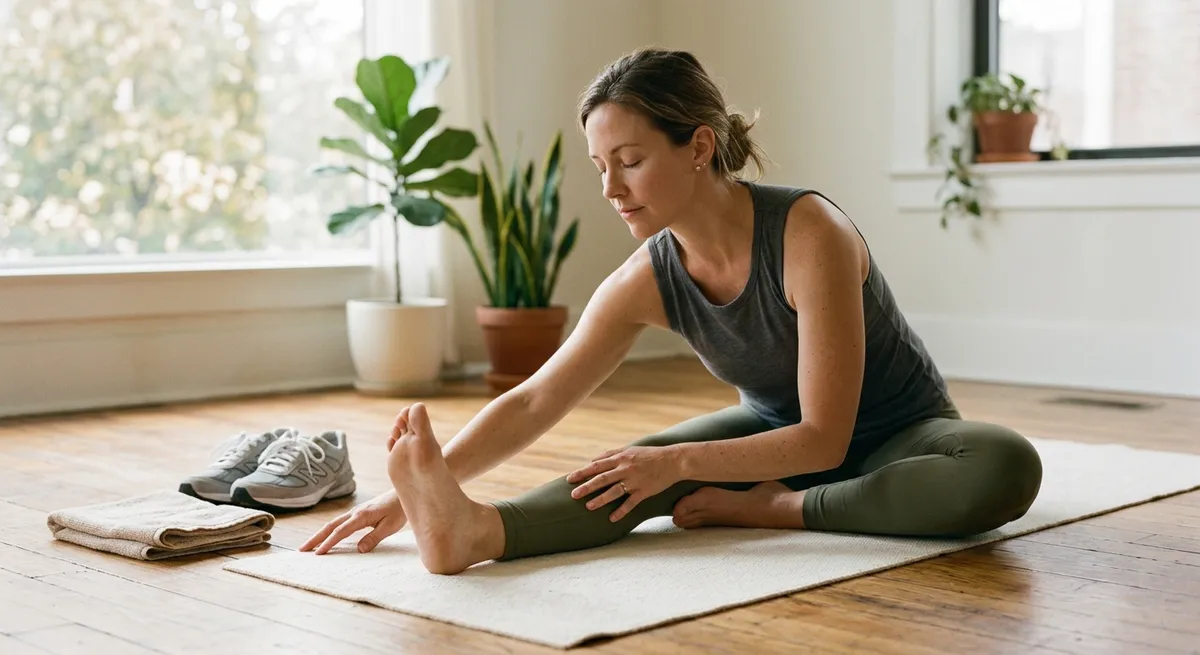
A no-gadget recovery routine you can do at home
You don't need a studio partnership to take recovery seriously. Try this after your next session, about ten minutes in total:
- Child's Pose, 1 minute: knees wide, forehead down, breathe slowly into your back.
- Supine twist, 1 minute per side: lie on your back, drop both knees to one side, and let gravity do the work.
- Legs up the wall, 3 minutes: a calm, simple way to wind down after effort.
- Breath finish, 2 minutes: inhale for a count of four, exhale for six. Longer exhales help the body settle.
These are standard, gentle yoga positions. If any feels uncomfortable, back off or skip it.
Is this the next boutique fitness upgrade?
It's hard not to see the appeal for studios: recovery gives members a reason to stay longer and treat a class as a whole experience. Whether red light becomes standard in boutique fitness is something only time will show. What does seem clear from the Oxford story is that the conversation has moved from "how hard did you train?" to "how well are you recovering?"
That shift is worth adopting whether or not your studio has a light panel.
The takeaway
After your next class, give yourself ten deliberate minutes of recovery before you pick up your phone. Make that the habit first, and add any tech on top only if it earns its place.