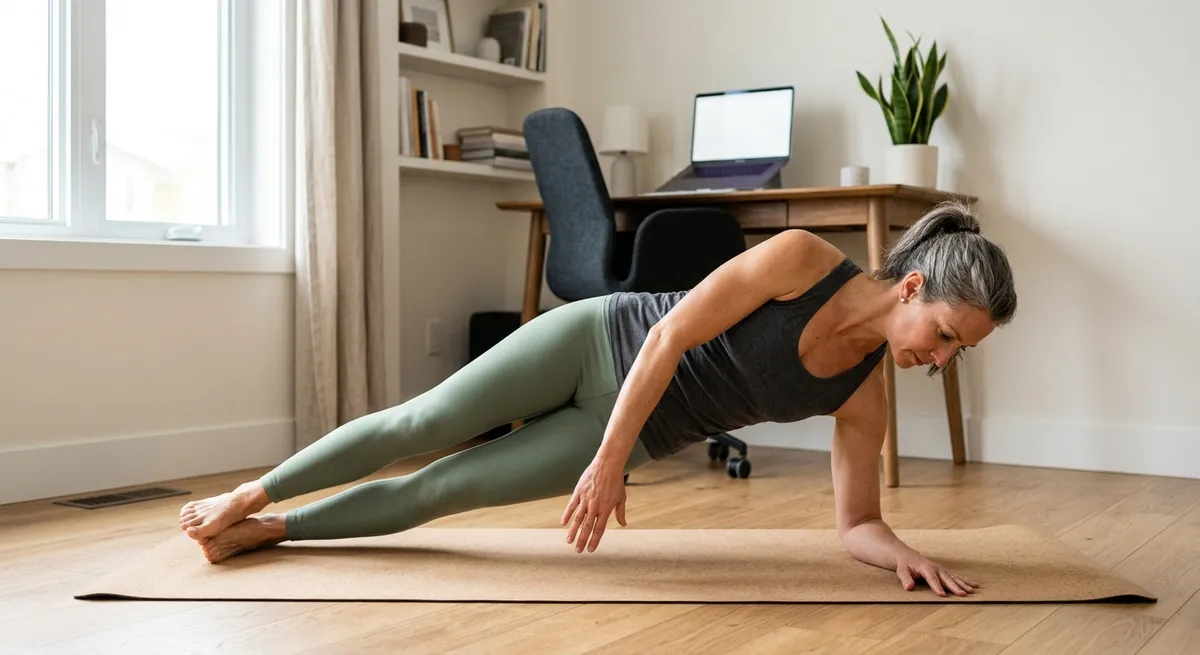

If you’ve ever stopped working out, you may have noticed some changes to your body — both in the short term and the long term. Many of us cycle in and out of fitness routines due to busy schedules, burnout, or seasonal changes, but understanding what happens when you stop exercising can help you feel informed and empowered to maintain your health. Let’s delve into the key changes that occur when you take a break from your fitness routine, according to expert insights.
Short-Term Effects of Stopping Exercise
When you first stop working out, the effects can be surprisingly immediate. Here’s what you might experience within the first week of reduced physical activity:
1. Decreased Energy Levels
Exercising regularly boosts your energy, so when you stop, you may find yourself feeling more fatigue than usual. Physical activity increases blood flow and oxygen delivery to muscles, which contributes to feelings of vitality. Without this stimulation, your body can feel sluggish.
2. Loss of Strength and Endurance
Within just one week of inactivity, you may notice a drop in muscle strength and endurance. Your muscles begin to lose their tone, and everyday tasks may require more effort than before. This loss is due to the reduction in muscle engagement and activity, signaling your muscles to adapt to a less demanding routine.
Longer-Term Effects of Inactivity
If the break from exercise extends beyond a week, the changes become more pronounced. Here’s what to anticipate over one month and beyond:
3. Fat Loss and Muscle Mass Changes
After about one month, if you aren’t incorporating any physical activity, you may start to experience fat gain and muscle atrophy. Your body begins to rely more on stored fat and less on lean muscle for energy, which can lead to changes in body composition and metabolism.
4. Compromised Cardiovascular Health
Prolonged inactivity impacts your cardiovascular health significantly. Over weeks and months, your heart becomes less efficient, potentially leading to increased blood pressure and other cardiovascular issues. Maintaining an active lifestyle is crucial for heart health, and a break can mean a setback in this area.
5. Changes in Mood and Mental Health
In the longer term, exercise plays a key role in managing stress and improving mood. Stepping away from your workouts can lead to feelings of anxiety or depression for some individuals. Regular physical activity helps release endorphins, enhancing your overall mood and mental clarity. The absence of this natural boost can leave you feeling down.
Importance of Consistency
The impact of stopping exercise underscores the importance of consistency in your fitness journey. Our bodies are incredibly adaptable, which can be both a blessing and a curse. When you stop working out, the rate at which your fitness declines can be staggering and often discouraging. Recognizing this can motivate you to find small ways to stay active, even when your schedule gets busy.
6. Signs Your Body Needs Movement Again
If you start noticing increased lethargy, decreased strength, or fluctuating mood, it might be your body signaling that it needs movement. Listen to these cues, and consider restarting your routine with gentle activities, like walking or yoga, to ease back into a more active lifestyle.
7. How to Restart Your Fitness Journey
If you've taken a break, remember that it's okay, and it’s possible to ease back in without overwhelming yourself. Start slow and aim for activities that engage your body without pushing it too hard. Even incorporating small bursts of movement throughout the day can be beneficial. Focus on consistency with realistic goals, and gradually increase the intensity and duration of your workouts as your body adapts.
Final Thoughts
Understanding the changes that occur when you stop exercising helps demystify the effects of inactivity and provides a pathway back to a healthy routine. Don’t let the fear of losing progress deter you from taking care of your body. Approaching your fitness journey with compassion and gradual re-introduction of physical activity will help you regain your former vitality and strength.