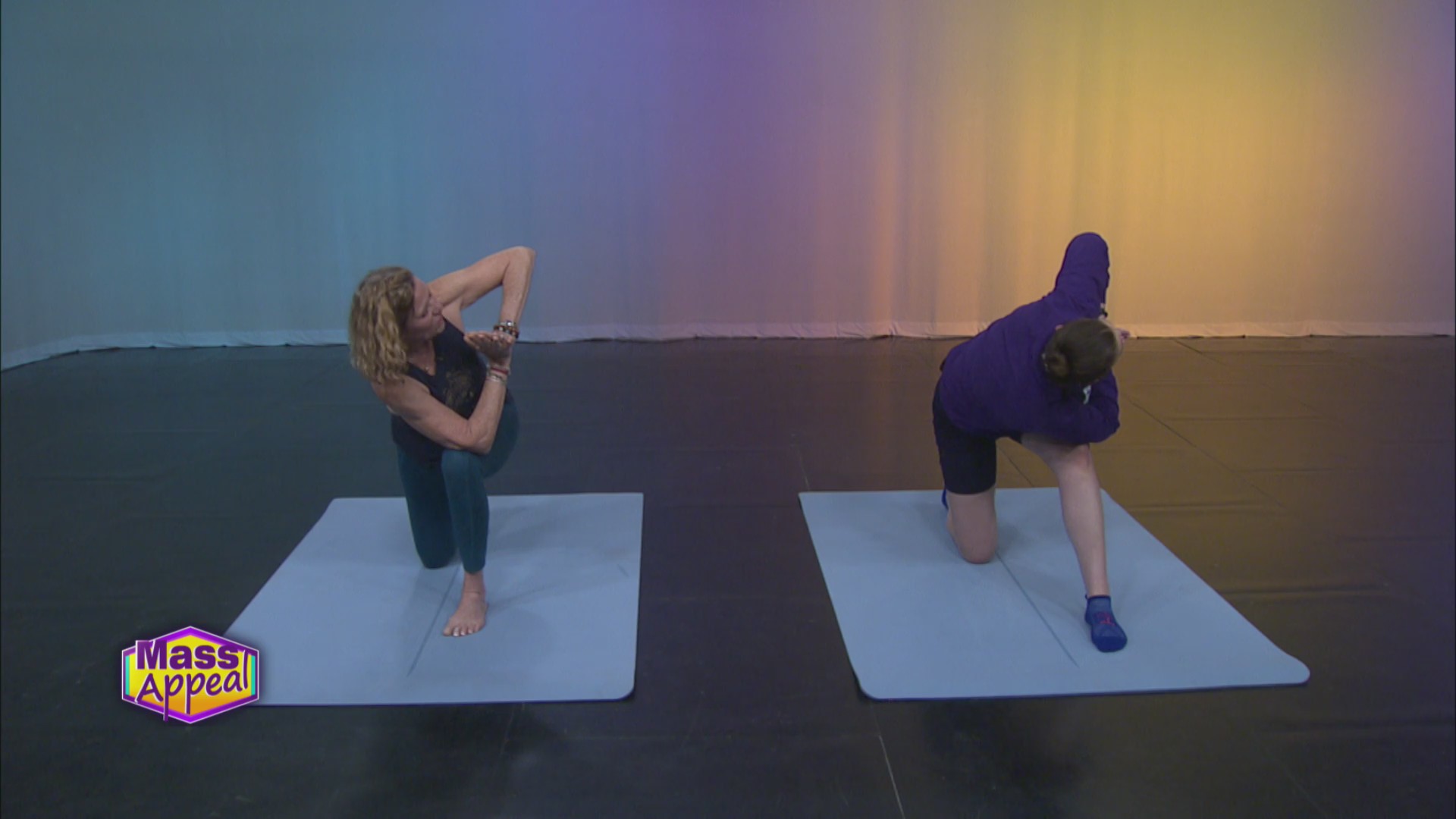
High blood pressure can feel silent until it begins shaping daily choices, energy levels, and long-term heart health. For many women, a short yoga routine offers a practical way to support hypertension management alongside medical care, better nutrition, regular movement, and stress control.

Why a 15-minute yoga routine can help women with hypertension
Hypertension is not just a number on a monitor. It affects the blood vessels, heart, kidneys, and brain over time. Women may face added risk during pregnancy, perimenopause, menopause, and periods of chronic stress. Hormonal shifts, poor sleep, weight changes, family history, and sedentary habits can also influence blood pressure.
Yoga does not replace prescribed medication or clinical monitoring. However, it can be a powerful supportive habit. Gentle postures, controlled breathing, and relaxation practices may calm the nervous system. This can reduce stress hormones, ease muscle tension, improve circulation, and encourage steadier breathing patterns.
The best routine for high blood pressure is not aggressive or competitive. It should feel steady, calming, and sustainable. A focused 15-minute practice works well because it is easier to repeat daily. Consistency matters more than complexity.
Before starting: safety tips for high blood pressure
Women with diagnosed hypertension should discuss exercise plans with a doctor, especially if readings are very high or if heart, kidney, or pregnancy-related concerns exist. Medical advice is also important when dizziness, chest pain, severe headaches, breathlessness, or visual changes occur.
During yoga, avoid holding the breath. Breath retention can increase pressure in the body. It is also better to skip intense inversions, fast flows, deep backbends, and poses that strain the neck or head. Move slowly between positions, use support when needed, and stop if you feel lightheaded.
Practice in a quiet space with a mat, a cushion, and a wall nearby. Wear comfortable clothing and keep water available. If possible, measure blood pressure regularly at home and track how lifestyle changes affect your readings over time.
A daily 15-minute yoga routine for blood pressure support
This simple sequence combines grounding, mobility, balance, gentle stretching, breathing, and rest. It is designed for beginners and can be adjusted for age, flexibility, and fitness level. Move without force and keep the breath smooth throughout.
Minute 1 to 2: seated centering with diaphragmatic breathing
Sit cross-legged on a mat or on a chair with both feet on the floor. Lengthen the spine and relax the shoulders. Place one hand on the belly and the other on the chest. Inhale through the nose and let the abdomen expand softly. Exhale slowly and allow the belly to settle.
This breathing pattern encourages the body to shift away from a stress response. It also helps women notice tension in the jaw, shoulders, and abdomen. Keep the face relaxed and breathe at a comfortable pace.
Minute 2 to 4: cat-cow for spinal mobility
Come to hands and knees, or perform the movement seated if kneeling is uncomfortable. Inhale and gently lift the chest while softening the belly. Exhale and round the back, drawing the chin slightly inward. Continue slowly for several rounds.
Cat-cow improves spinal movement and reduces stiffness from long sitting hours. It also links breath with motion, which helps settle the mind. Avoid pushing into extreme ranges. The movement should feel fluid and easy.
Minute 4 to 5: mountain pose for posture and grounding
Stand with feet hip-width apart. Spread weight evenly through the heels and toes. Lift through the crown of the head while keeping the knees relaxed. Let the arms rest by the sides and breathe steadily.
Mountain pose may look simple, but it builds awareness of alignment. Better posture can reduce unnecessary muscular effort. For women who spend long hours at desks, this pose can reset the body and improve stability.
Minute 5 to 7: tree pose with wall support
Stand near a wall or chair. Shift weight into one foot and place the other foot on the ankle or calf. Avoid pressing into the knee. Bring the hands together at the chest or keep one hand on the wall. Hold for a few breaths, then switch sides.
Balance poses sharpen focus and promote calm concentration. They also strengthen the feet, legs, and hips. If balancing feels stressful, keep the toes of the lifted foot on the floor. The goal is steadiness, not difficulty.
Minute 7 to 9: supported bridge pose
Lie on the back with knees bent and feet hip-width apart. Keep the arms beside the body. Inhale gently, then lift the hips slightly while pressing through the feet. Exhale and lower down with control. Repeat slowly. If comfortable, place a cushion under the hips for a supported version.
Bridge pose opens the front body and activates the back of the legs. A supported bridge can feel restorative when done gently. Avoid forcing the lift or compressing the neck. Keep the throat soft and the breath even.
Minute 9 to 11: child pose or wide-knee rest
Kneel and bring the hips toward the heels. Let the torso rest forward with the arms extended or folded. If the head does not reach the floor, use a cushion. Women with knee discomfort can rest in a seated forward fold on a chair instead.
This calming posture encourages release through the back, hips, and shoulders. It can be useful after stressful workdays. Keep the belly relaxed and breathe into the back ribs without strain.
Minute 11 to 13: legs-up-the-wall variation
Sit sideways near a wall, then turn and rest the legs upward. Keep the hips slightly away from the wall if the hamstrings feel tight. Place a folded blanket under the head if needed. Stay for one to two minutes while breathing naturally.
This restorative position may reduce fatigue in the legs and encourage relaxation. People with glaucoma, uncontrolled high blood pressure, or discomfort in this posture should avoid it and choose a reclined rest instead.
Minute 13 to 15: alternate nostril breathing and final relaxation
Return to a seated position. Close the right nostril gently and inhale through the left. Close the left nostril and exhale through the right. Inhale through the right, then switch and exhale through the left. Continue slowly without holding the breath.
Finish by lying down or sitting quietly for a final minute. Let the body become still. Notice the rhythm of the breath and the weight of the body. This closing pause teaches the nervous system to return to calm more easily.
How yoga supports a heart-healthy lifestyle
A short daily yoga habit works best when paired with other proven steps. A balanced diet with fruits, vegetables, whole grains, legumes, nuts, and low-fat dairy can support blood pressure control. Reducing excess salt, limiting packaged foods, and choosing potassium-rich foods may also help, unless a doctor advises otherwise.
Regular walking, strength training, and adequate sleep remain important. Women should also pay attention to stress overload, caregiving pressure, workplace tension, and emotional eating. Yoga can create a pause between stress and reaction. That pause often makes healthier choices easier.
Caffeine, alcohol, smoking, and poor sleep can all affect blood pressure. Tracking habits alongside home readings may reveal useful patterns. Even small changes can make a meaningful difference when repeated daily.
When to practice for the best results
Morning yoga can set a calm tone for the day. Evening practice can help release accumulated stress before sleep. Choose the time you can maintain most consistently. Practicing at the same time each day builds routine and reduces decision fatigue.
Avoid practicing immediately after a heavy meal. Keep the session gentle if you feel tired. On busy days, even five minutes of breathing and rest is better than skipping completely. The habit should feel supportive, not like another obligation.
Conclusion
A 15-minute yoga routine can be a realistic wellness tool for women managing hypertension. Gentle movement, mindful breathing, and deep rest may help reduce stress and support healthier blood pressure patterns. Use yoga as part of a broader care plan that includes medical guidance, regular monitoring, nutritious food, physical activity, and restorative sleep.
Start slowly, listen to your body, and focus on consistency. Over time, these quiet daily minutes can become a dependable anchor for heart health, emotional balance, and overall well-being.
#hypertension #yoga #womenshealth #hearthealth