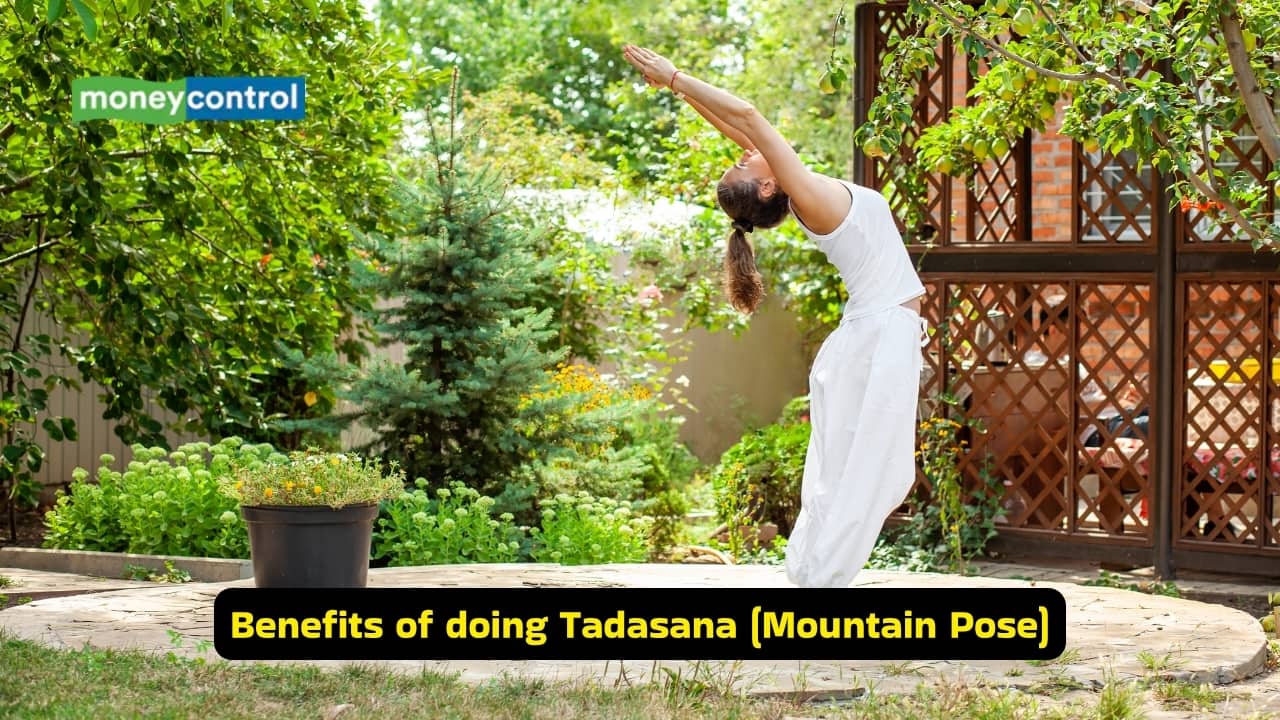
Spring is a natural time to reset the body, refresh daily routines, and bring more energy into movement. A seasonal yoga practice built around clearing breathwork and twisting poses can support mobility, posture, digestion, and mental focus while helping you feel lighter after the slower winter months.
Why Twisting Yoga Poses Fit a Spring Fitness Routine
As temperatures rise and people become more active, many fitness routines need a gentle transition. Twisting yoga poses offer that bridge. They warm the spine, wake up the core, and encourage better body awareness without requiring high-impact movement.
In yoga, twists are often linked with the idea of clearing. That does not mean they magically detox the body. Your liver, kidneys, lungs, and lymphatic system already handle that work. Instead, twisting poses can help you breathe more deeply, move stiffness out of the back, and reconnect with steady movement.
Spring yoga also supports consistency. It can be practiced in a studio, at home, or outdoors. Even a short sequence can improve circulation and ease tension from sitting, driving, gardening, or returning to more frequent workouts.
The Benefits of Clearing and Twisting Yoga Poses
Twisting postures target several areas at once. They engage the abdominal muscles, lengthen the spine, and stretch the shoulders, chest, hips, and back. When practiced with control, they can improve functional mobility used in everyday activities.
Many people notice that twists help relieve tightness along the mid-back. This area often becomes stiff from desk work or screen use. Gentle rotation can restore movement through the thoracic spine, which may also help the neck and shoulders feel less strained.
Twists can also support better breathing mechanics. When you rotate the torso, you become more aware of the ribs and the spaces between them. Pairing movement with steady inhales and exhales encourages a calmer nervous system and a more focused mind.
Start With Breath Before Movement
A clearing yoga practice should begin simply. Sit tall, stand comfortably, or lie on your back. Place one hand on the belly and the other on the ribs. Breathe in through the nose and feel the torso expand. Breathe out slowly and soften the shoulders.
This breathing pattern prepares the body for rotation. It also helps prevent forcing the twist. In yoga, a healthy twist starts with length. Create space through the spine first. Then rotate gently from the middle and upper back.
Try three to five rounds of slow breathing before starting your first pose. Keep the jaw relaxed. Let the breath guide the pace. If breathing becomes tight or strained, reduce the intensity of the posture.
Gentle Seated Twist for Spinal Mobility
A seated twist is one of the most accessible yoga poses for spring. Sit cross-legged, on a folded blanket, or in a chair. Lengthen through the crown of the head. Place one hand behind you and the opposite hand on the thigh.
Inhale to sit taller. Exhale and rotate gently toward one side. Keep both sitting bones grounded. Avoid pulling hard with the arms. Let the abdominal muscles guide the turn. Hold for three to five breaths, then repeat on the other side.
This pose is useful for beginners because it offers control. Chair versions work well for office breaks or anyone with tight hips. The goal is not to twist as far as possible. The goal is to create space and ease.
Supine Twist for Relaxation and Recovery
A reclined twist can feel especially restorative after a busy day. Lie on your back with knees bent. Draw both knees toward the chest. Lower them to one side while keeping the shoulders relaxed toward the floor.
Arms can open into a T shape or rest where comfortable. Turn the head only if the neck feels good. Stay for several breaths, then switch sides. Move slowly when returning to center.
This posture stretches the lower back, outer hips, and side body. It is also a calming choice before sleep. For extra support, place a pillow or folded blanket between the knees.
Chair Twist for Workday Wellness
Many people need yoga poses that fit into real life. A chair twist is ideal for quick movement during a workday. Sit near the front of a chair with feet flat on the floor. Lengthen the spine and relax the shoulders.
Place one hand on the opposite thigh and the other hand on the chair seat or backrest. Inhale to grow tall. Exhale and rotate gently. Keep the knees pointing forward. Hold for a few breaths, then change sides.
This simple posture can reduce stiffness from long periods of sitting. It also encourages better posture without requiring special equipment. Practice it between meetings, after travel, or during an afternoon energy dip.
Low Lunge Twist to Open the Hips
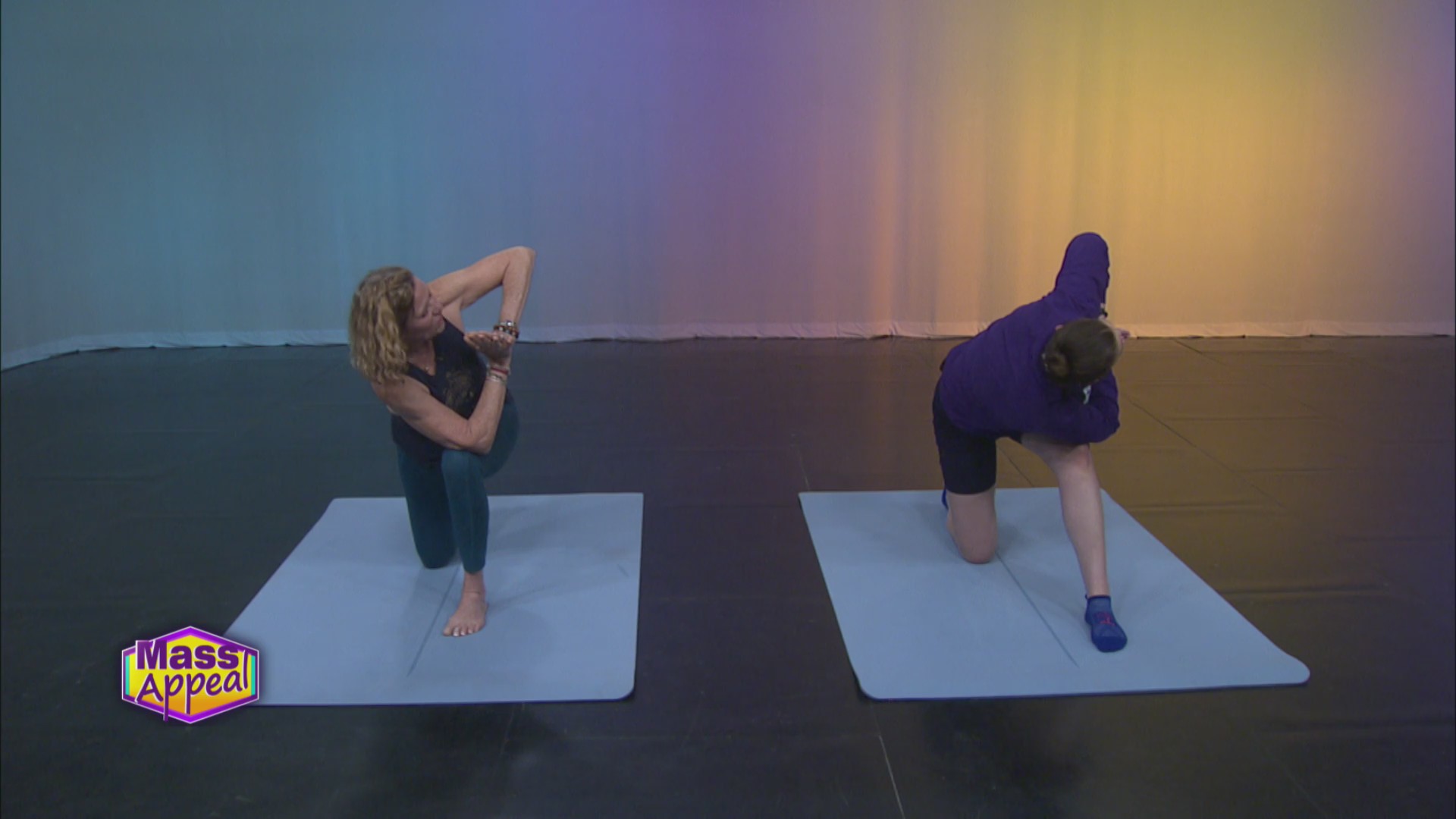
For a more active spring yoga flow, add a low lunge twist. Step one foot forward and lower the back knee to the mat. Place both hands inside or around the front foot. Lengthen the chest forward.
Bring one hand to the mat and lift the opposite arm toward the ceiling. Rotate through the upper back, not the lower spine. Keep the hips steady and the breath smooth. Repeat on both sides.
This pose combines hip opening with spinal rotation. It can help prepare the body for walking, running, cycling, hiking, or gardening. Use yoga blocks under the hands if the floor feels too far away.
Revolved Chair Pose for Strength and Heat
Revolved chair pose adds strength to a twisting practice. Stand with feet together or hip-width apart. Bend the knees and shift the hips back. Bring the hands to the center of the chest.
Inhale to lengthen. Exhale and rotate the torso to one side. The opposite elbow may come outside the thigh, or the twist can stay smaller. Keep the knees even and the spine long. Return to center and repeat on the other side.
This pose builds heat in the legs and core. It can be challenging, so move with care. If the knees or lower back feel uncomfortable, practice a gentler standing twist instead.
How to Practice Twists Safely
Twisting yoga poses should feel spacious, not sharp. Avoid forcing the body into deep rotation. Move slowly, breathe steadily, and stop if pain appears. People with recent spinal injuries, herniated discs, pregnancy, or certain abdominal conditions should seek professional guidance before deep twists.
Always lengthen before rotating. Think of the spine as rising upward first. Then turn from the ribs and chest. Keep the pelvis stable unless the pose specifically invites the hips to move.
Warm up before deeper twists. Cat-cow, side stretches, shoulder rolls, and gentle forward folds can prepare the body. A rushed twist can create strain, especially in the lower back.
Create a Simple Spring Yoga Sequence
A balanced spring routine does not need to be long. Begin with two minutes of breathing. Move into cat-cow for spinal warm-up. Add a seated twist on each side. Transition to a low lunge twist, then practice a gentle chair or standing twist.
Finish with a supine twist and a few moments of stillness. This sequence can take 15 to 25 minutes. It offers movement, strength, flexibility, and relaxation in one focused practice.
For best results, practice two to four times per week. Keep the pace moderate. Let consistency matter more than intensity. Spring is about steady growth, not rushing into extremes.
Bringing a Fresh Mindset to Fitness Friday
A Fitness Friday routine can become more than a workout. It can mark a weekly reset. Twisting yoga poses fit that idea well because they combine movement with attention. They help you notice where the body feels stuck and where it feels ready to move.
This kind of practice also encourages mindfulness. Each breath invites you to release tension. Each twist offers a chance to return to center. That rhythm can feel especially meaningful during seasonal change.
Whether you are new to yoga or returning after time away, spring is a smart season to begin. Start gently, honor your range of motion, and choose poses that support your body today.
Conclusion
Clearing and twisting yoga poses offer an approachable way to refresh your spring fitness routine. They support spinal mobility, core awareness, posture, breathing, and relaxation. With mindful pacing and safe alignment, these movements can help you feel more balanced, energized, and ready for the season ahead.
#springyoga #yogaposes #fitnessfriday #wellness