Shilpa Shetty Kundra has long connected her screen popularity with a strong public focus on fitness, yoga, and mindful living. In a recent wellness-focused update, the actor and fitness advocate highlighted an important but often ignored point: women may need to change their yoga routine during menstruation, especially when the body asks for rest, warmth, and gentler movement.
Why Shilpa Shetty's Period Yoga Advice Matters
Many people treat yoga as a daily discipline that should never be skipped. While consistency is valuable, menstruation can change energy levels, muscle comfort, mood, digestion, and lower abdominal sensitivity. A routine that feels excellent on other days may feel draining or uncomfortable during periods.
Shilpa Shetty's message fits into a wider conversation about menstrual wellness. Instead of asking women to push through pain, the advice encourages them to listen to their body. This approach is especially relevant for beginners who follow celebrity fitness routines online without knowing when to modify them.
Yoga can support menstrual health when practiced carefully. Slow stretches, breathwork, and restorative postures may reduce stress and relax tense muscles. However, some poses can place extra pressure on the abdomen, disturb comfort, or demand more strength than the body can offer during heavy flow days.
Yoga During Menstruation: Gentle Practice Over Performance
Menstruation is not an illness, and many women can continue everyday activity if they feel well. Still, the hormonal and physical changes during this phase can affect stamina. Cramps, bloating, back pain, fatigue, and mood changes are common. For that reason, yoga during periods should be supportive rather than intense.
The goal is not to avoid movement completely. The aim is to choose movement that respects the body's natural rhythm. This is where Shilpa Shetty's reminder becomes useful. Fitness should adapt to the person, not the other way around.
Some women feel comfortable practicing light yoga throughout their cycle. Others prefer complete rest on the first day or two. Both choices are valid. The best period exercise plan depends on flow, pain levels, health history, and personal comfort.
Yoga Poses Women Should Avoid During Periods
Not every yoga posture is ideal during menstruation. Certain asanas involve inversion, strong core engagement, deep abdominal compression, or intense backbending. These movements may not suit menstrual days, particularly when bleeding is heavy or cramps are strong.
Inversion Poses
Inversions are commonly placed on the avoid list during menstruation. These poses position the pelvis above the heart or direct the lower body upward. Examples include headstand, shoulder stand, handstand, forearm stand, and similar upside-down postures.
Many yoga teachers advise skipping inversions during periods because they demand high control and can feel uncomfortable. They may also increase pressure in the pelvic region for some practitioners. Even experienced students often choose to pause these asanas during the first few days of bleeding.
Plough Pose and Shoulder Stand Variations
Plough pose and shoulder stand variations can be challenging during menstruation. They move the body into a folded or inverted position and may strain the neck, shoulders, and lower back if energy is low. These postures also require steady breathing and abdominal control.
During periods, the body may feel heavier or less stable. That can make such poses harder to perform safely. A safer option is to replace them with supported rest positions that calm the nervous system.
Strong Core Exercises
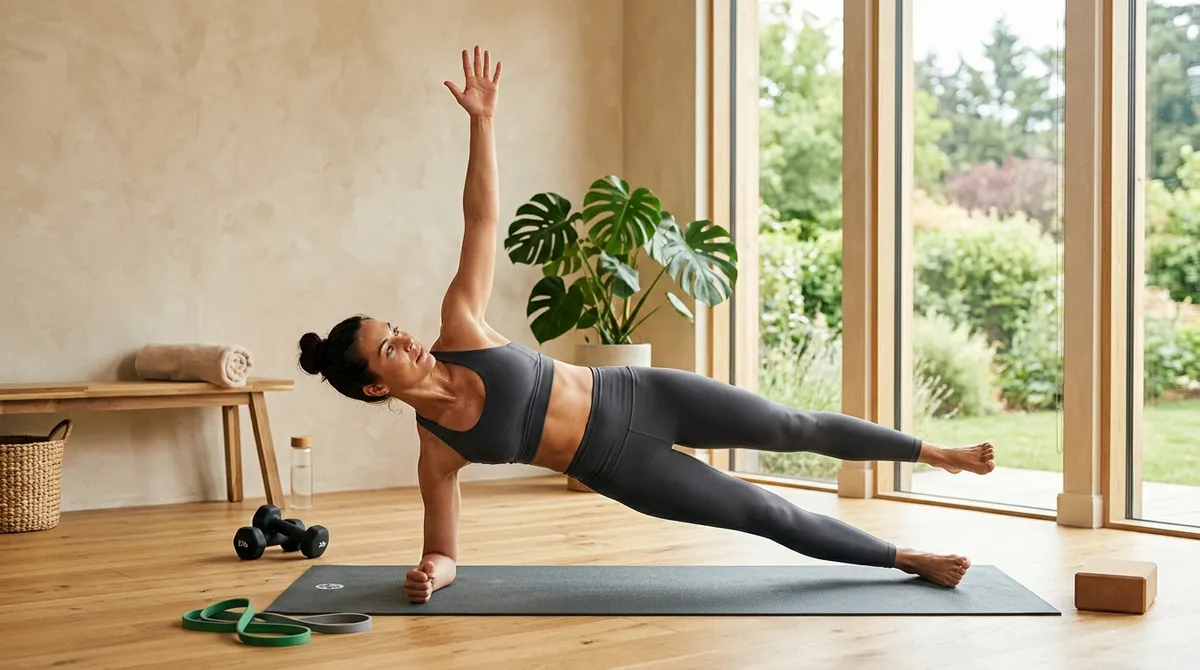
Yoga poses that strongly activate the abdominal muscles may not be suitable during menstrual discomfort. Boat pose, intense leg lifts, advanced plank variations, and similar core-heavy movements can increase abdominal pressure. For women experiencing cramps, these poses may feel unnecessarily harsh.
A gentle practice should avoid forcing the belly to contract deeply. Instead, focus on breathing into the abdomen, softening the hip area, and releasing tension from the lower back.
Deep Twists
Twisting postures can feel refreshing on normal days, but deep twists may compress the abdomen during menstruation. Closed twists that press the belly against the thigh can be uncomfortable, especially when bloating or cramps are present.
Open, mild twists may be acceptable for some women if performed slowly. However, intense rotations should be avoided when the body feels tender. Comfort should always guide the depth of the posture.
Intense Backbends
Deep backbends such as wheel pose, full bow pose, and advanced camel pose require strength, openness, and steady breathing. These postures can overstimulate the body when it needs calm. They may also pull the front body strongly, including the abdominal area.
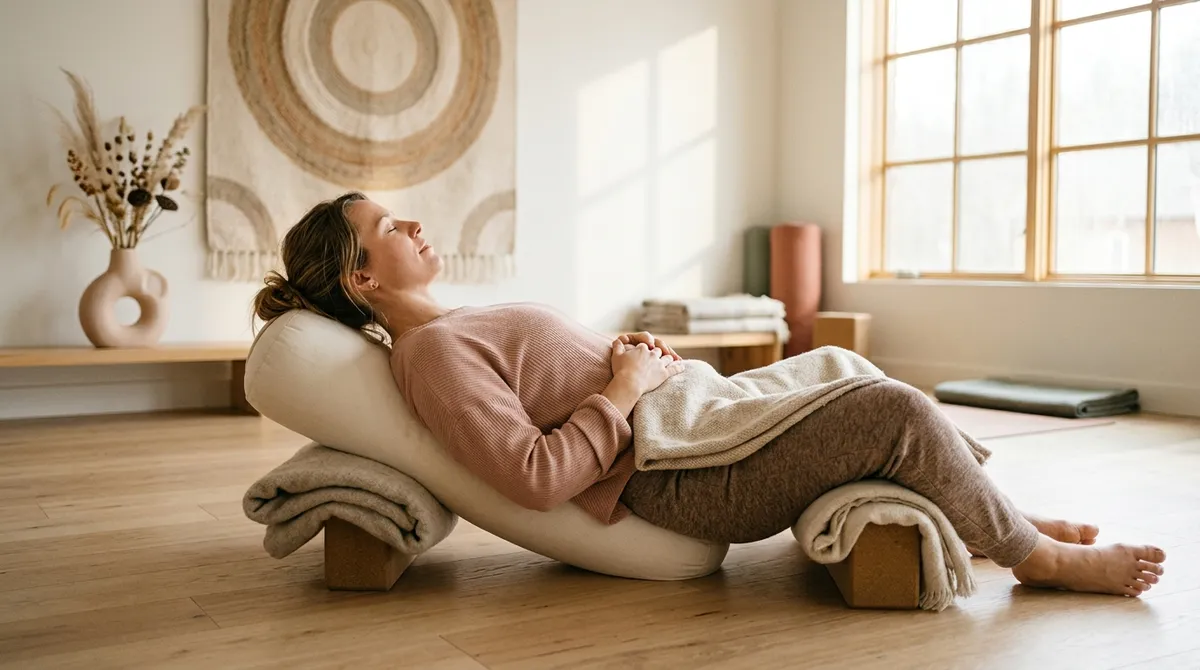
During periods, it is better to choose supported chest-opening poses. A cushion under the upper back or a gentle reclined posture can encourage relaxation without demanding intense effort.
Period-Friendly Yoga Poses to Consider Instead
Avoiding certain yoga poses does not mean giving up the practice. Menstruation can be a good time for restorative yoga, slow stretching, and mindful breathing. These options may help ease tension and improve emotional balance.
Child's pose is a popular choice because it can relax the back and hips. A cushion under the torso can make it even more comfortable. Reclined bound angle pose can release the inner thighs and pelvis when supported with pillows. Cat-cow movements may reduce stiffness in the spine and encourage gentle circulation.
Seated forward folds can also feel soothing if done without force. The key is to bend softly and avoid pulling the body into a deep stretch. Legs-up-the-wall is sometimes debated because it is a mild inversion. Women who feel unsure can skip it or keep the legs lower on cushions instead.
Breathing practices are another valuable tool. Slow diaphragmatic breathing, alternate nostril breathing, or simple extended exhalations can help calm the mind. These practices require little physical effort and can be done from bed or a supported seated position.
Listening to the Body Is the Real Fitness Rule
Shilpa Shetty's fitness content often promotes discipline, but this menstrual wellness message highlights balance. True fitness is not only about strength, flexibility, or visible results. It is also about awareness and recovery.
Women often ignore period pain because they are expected to continue everything as usual. While many can work, exercise, and remain active, discomfort should not be dismissed. Pain is information. Fatigue is information. A heavy flow day may call for a different routine than a light flow day.
If a yoga pose increases cramps, dizziness, pelvic pressure, or nausea, it is best to stop. Resting is not a failure. It is a responsible response to the body's needs.
When to Seek Medical Guidance
Menstrual cramps can be common, but severe pain is not something to normalize. Women should speak with a healthcare professional if periods regularly cause intense pain, fainting, very heavy bleeding, unusual clots, or symptoms that interrupt daily life.
Conditions such as endometriosis, fibroids, adenomyosis, pelvic infections, or hormonal imbalances can affect menstrual comfort. Yoga may support general well-being, but it should not replace medical care when symptoms are serious.
Those with pregnancy concerns, recent surgery, chronic illness, or a history of reproductive health conditions should get personalized guidance before following any exercise routine. Online fitness advice works best when it is adapted safely.
How to Build a Smarter Menstrual Fitness Routine
A practical period fitness plan can be simple. On heavy flow days, choose rest, walking, gentle stretching, or breathwork. On moderate days, add light yoga and mobility exercises. As energy returns, gradually resume strength training or advanced asanas.
Hydration, sleep, and nutrition also matter. Warm fluids, iron-rich foods, magnesium sources, and balanced meals may support energy. A heating pad, comfortable clothing, and reduced intensity can make movement more pleasant.
Tracking symptoms across cycles can help women understand their pattern. Some may notice that intense workouts feel fine after day three. Others may need a longer recovery window. Personal observation creates a more intelligent routine than strict rules.
Conclusion
Shilpa Shetty's guidance on yoga poses to avoid during menstruation brings attention to a simple but powerful idea: period care should be part of fitness culture. Inversions, strong core postures, deep twists, and intense backbends may not suit menstrual days, especially when the body feels sensitive or tired.
Gentle yoga, mindful breathing, and restorative movement can offer a better path. The healthiest practice is one that supports the body through every phase of the cycle. During menstruation, slowing down can be just as valuable as showing up on the mat.