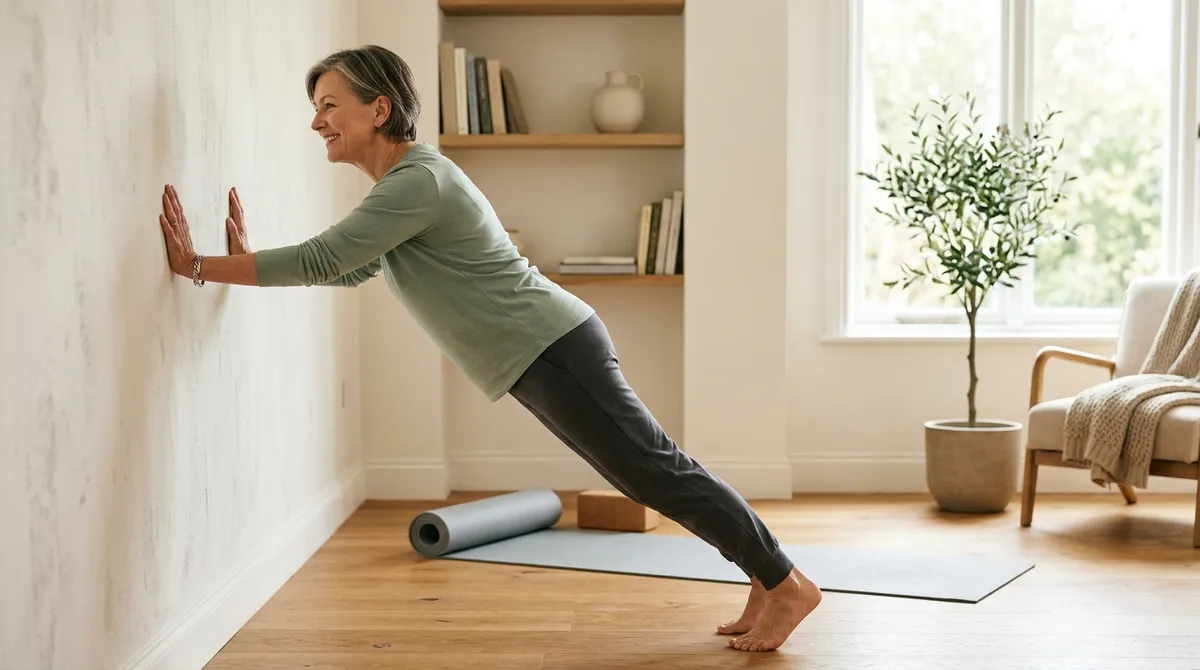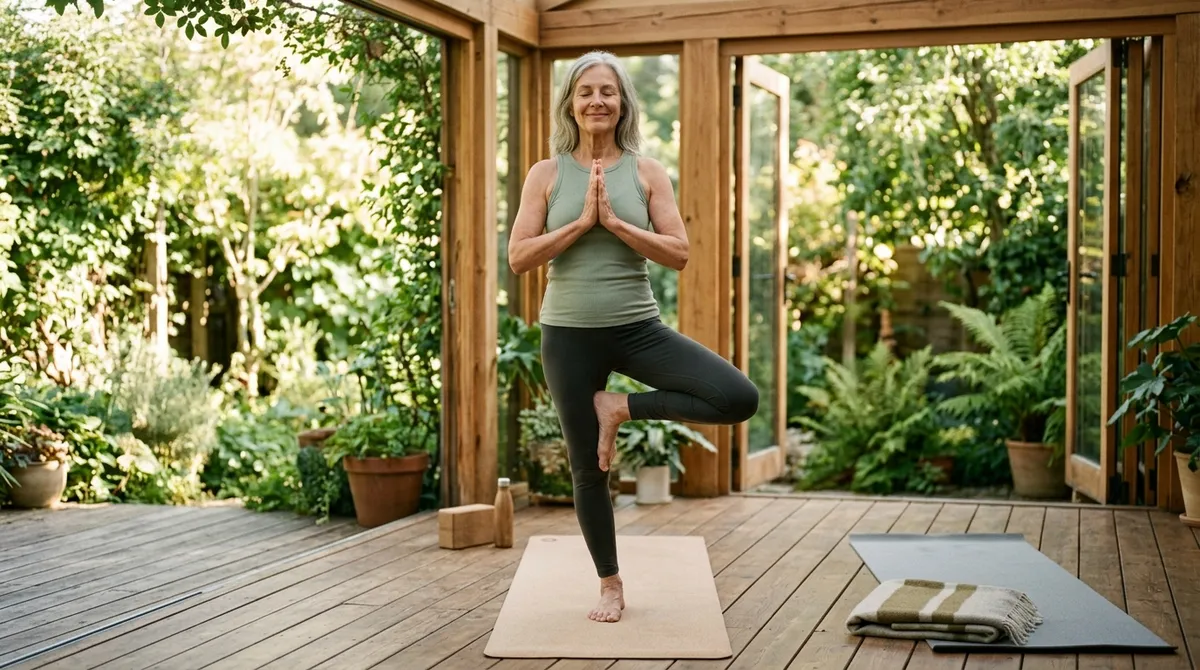
Yoga has become an essential tool for many in tackling the stress and burnout that modern life often brings. With its ancient roots and contemporary relevance, yoga offers a holistic approach to mental and physical well-being. This guide delves into the ways yoga can effectively reduce stress and prevent burnout, providing you with practical insights and techniques to integrate into your daily routine.
Understanding Stress and Burnout
Stress, a natural response to challenging situations, can become overwhelming if not managed properly. When stress is prolonged, it can lead to burnout, a state characterized by physical and emotional exhaustion. Burnout often results from excessive and prolonged stress, leading to feelings of being overwhelmed and unable to meet constant demands.
The Role of Yoga in Stress Reduction
Yoga, with its combination of physical postures, breathing exercises, and meditation, offers a comprehensive approach to stress management. The practice encourages mindfulness, helping individuals focus on the present moment, which can significantly reduce stress levels. Regular yoga sessions can lower cortisol levels, the hormone linked to stress, enhancing overall mood and emotional resilience.
Breathing Techniques
Pranayama, the practice of controlled breathing, is a cornerstone of yoga that directly impacts stress reduction. Techniques such as deep breathing, alternate nostril breathing, and the "breath of fire" help calm the nervous system and promote relaxation. Integrating these breathing exercises into your daily routine can provide immediate relief from stress and anxiety.
Postures for Relaxation
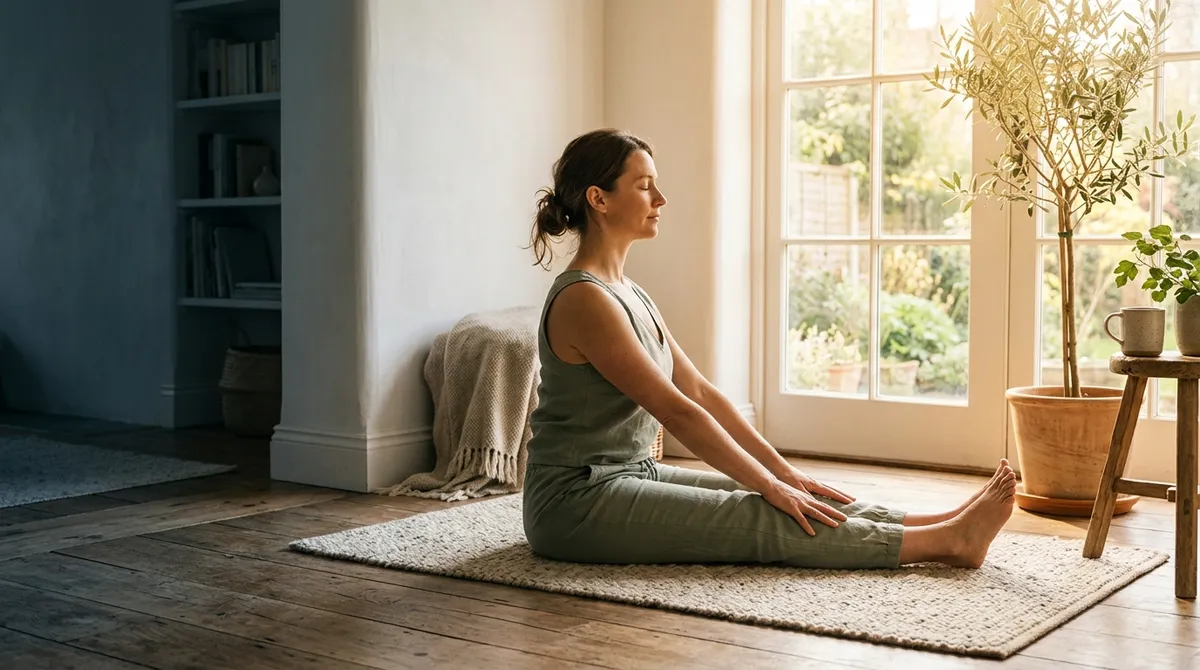
Certain yoga poses are particularly effective in alleviating stress. Forward bends, such as Uttanasana (Standing Forward Bend) and Paschimottanasana (Seated Forward Bend), encourage relaxation and help soothe the mind. Restorative poses like Balasana (Child's Pose) and Shavasana (Corpse Pose) are ideal for relaxing the body and mind, reducing tension and promoting a sense of peace.
Preventing Burnout with Yoga
In addition to managing stress, yoga plays a crucial role in preventing burnout. By fostering a balanced lifestyle, yoga helps individuals maintain their energy levels and emotional well-being. The practice encourages self-care, helping individuals recognize when they need to rest and recharge.
Mindfulness and Meditation
Yoga's emphasis on mindfulness and meditation helps cultivate a deeper awareness of one's thoughts and feelings. This heightened awareness can prevent the onset of burnout by encouraging proactive stress management and emotional regulation. Meditation practices, such as Dhyana (concentration meditation), allow individuals to disconnect from stressors and focus on inner peace.
Building Resilience
Yoga strengthens not only the body but also the mind, building resilience against stress and burnout. Regular practice improves mental clarity, focus, and self-awareness, empowering individuals to handle stressful situations with greater ease. By nurturing both physical and mental resilience, yoga becomes a powerful ally in preventing burnout.
Incorporating Yoga into Daily Life
To reap the full benefits of yoga for stress and burnout prevention, consistency is key. Consider setting aside time each day for yoga practice, whether it's a full session or a few minutes of breathing exercises and meditation. Online resources and yoga classes can provide guidance and structure, making it easier to incorporate yoga into your routine.
Ultimately, the goal is to create a sustainable practice that supports your mental and physical health. By doing so, you can navigate life's challenges with greater ease and maintain a balanced, stress-free lifestyle.