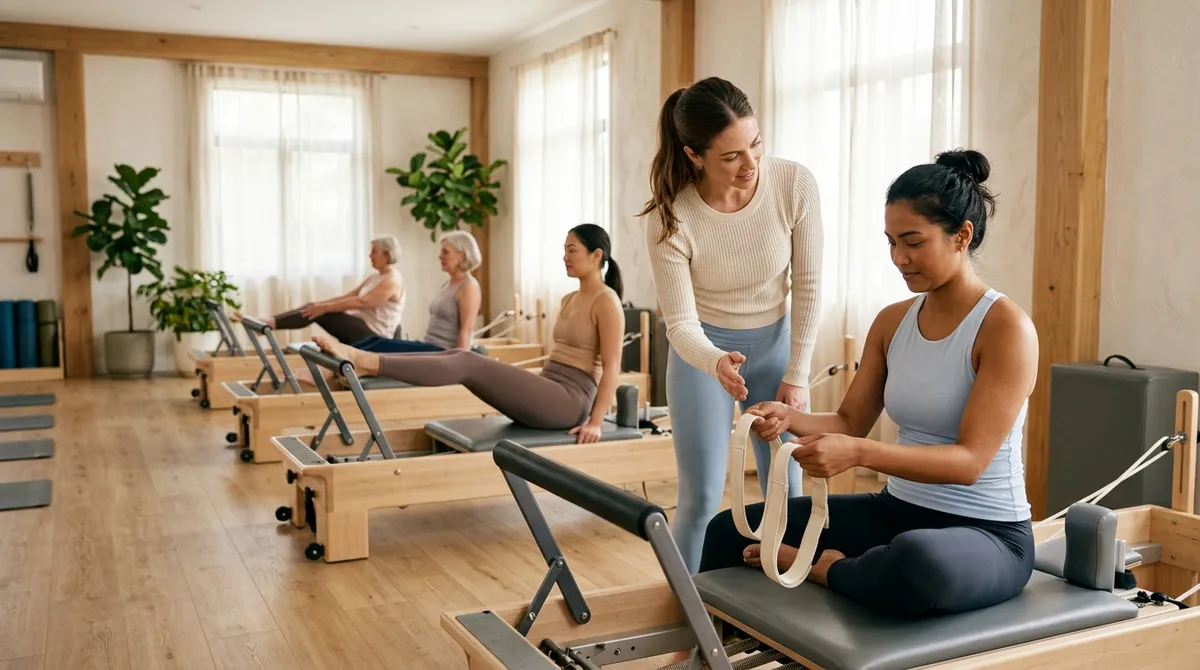
If you've been eyeing Reformer Pilates but haven't taken the plunge, the timing is good. Club Pilates White Oak is opening its doors in Silver Spring on July 25, offering free intro classes and tours at its new studio at 12200 Tech Road — a low-stakes way to try the method before committing to anything.
But even before you walk through those doors, knowing what you're actually getting into makes the whole experience less intimidating. Here's what the Reformer is, why beginners do well with it, and how to make the most of your first session.
What the Reformer Actually Is
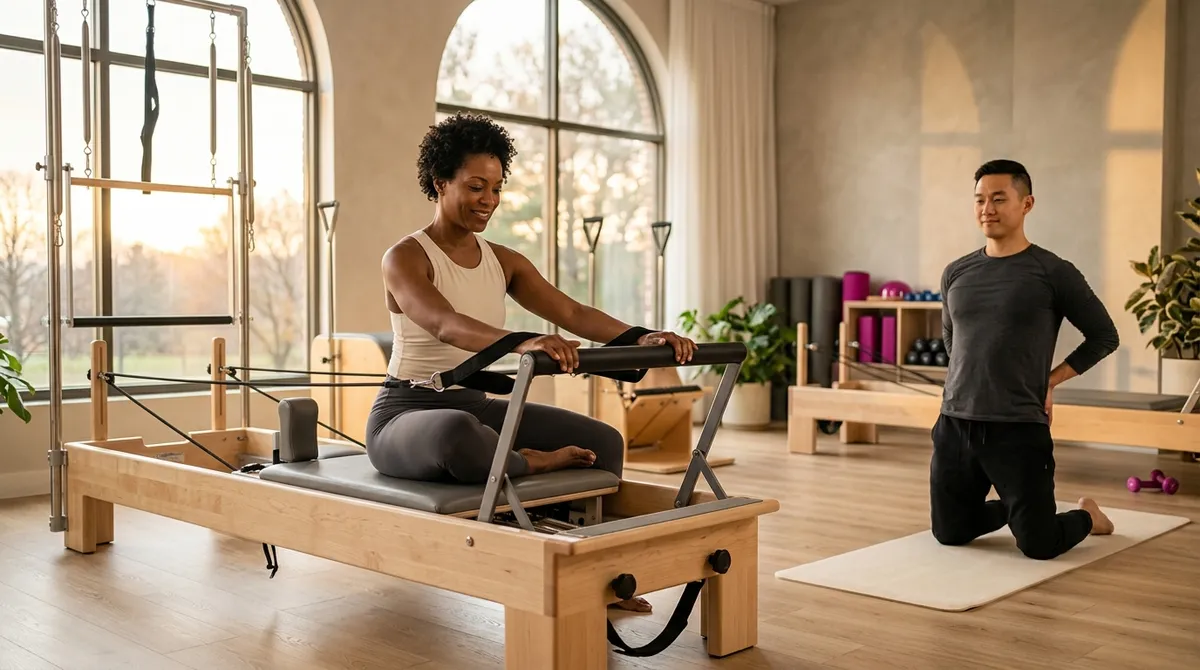
The Reformer looks more like a piece of gym equipment than anything you'd expect in a Pilates studio. It's a sliding carriage mounted on a frame, connected to a system of springs that create resistance. You push or pull the carriage using your legs, arms, or both — and because the springs can be adjusted, the machine meets you at your current fitness level rather than demanding you meet it.
That adjustability is the key reason Reformer Pilates works for a wide range of bodies. Whether you're returning to movement after a break, dealing with joint sensitivity, or just starting a fitness routine, the resistance can be dialed up or down without changing the exercise itself.
Why Low-Impact Doesn't Mean Easy
Low-impact is often misread as low-effort. Reformer Pilates is neither restful nor passive — it just doesn't hammer your joints the way running or high-intensity interval training does.
Because the carriage moves through space while you stabilize against it, your core, hips, and deep postural muscles have to work constantly to control the movement. That's the point. The method builds strength through controlled, precise motion rather than heavy loading or high repetitions.
Expect to feel muscles you forgot you had — particularly around your inner thighs, lower abdominals, and the small stabilizers around your shoulder blades. The soreness the next day is usually a pleasant surprise.
What Happens in a Beginner Class
Most intro Reformer classes follow a similar structure, so you won't be improvising.
The setup. Your instructor will orient you to the machine before class starts: how to adjust the foot bar, how spring resistance works, and how to move the carriage safely. You don't need to memorize anything — they'll cue every adjustment as the class progresses.
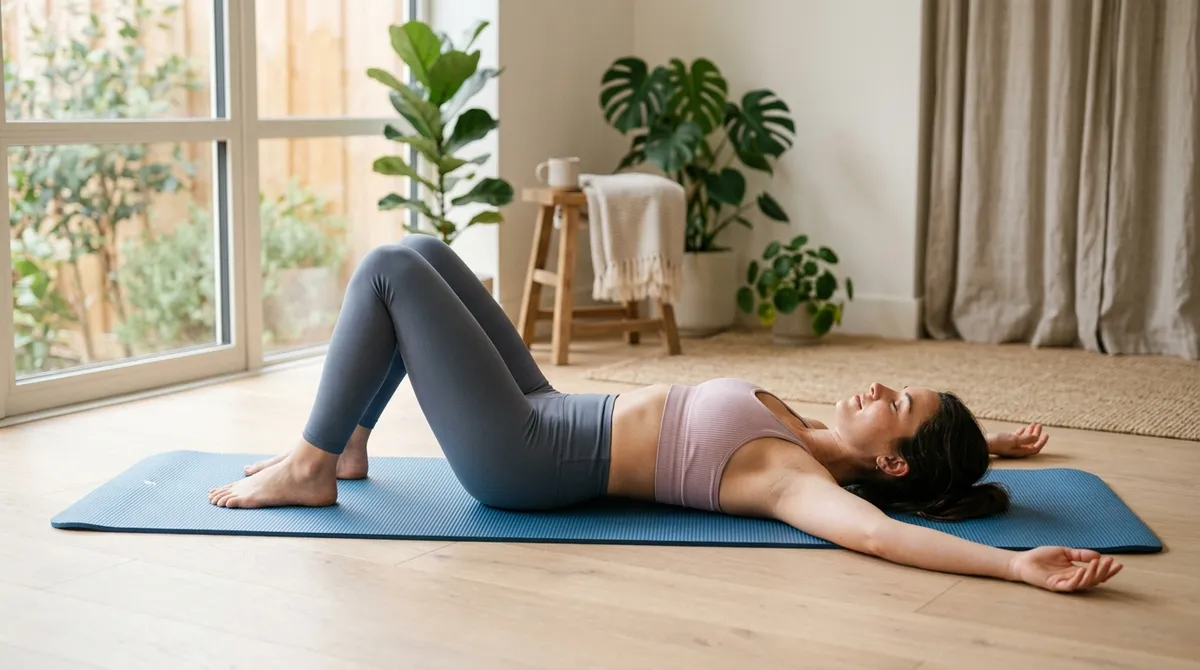
The warm-up. You'll likely start lying on your back with your feet on the foot bar, running through basic footwork. These moves look simple and feel manageable, which is intentional. They warm up the legs and teach you how the carriage responds before the class gets more complex.
The main sequence. A standard class cycles through leg work, abdominal exercises, arm work, and stretching. The instructor will name each exercise and demonstrate it, then cue the class through it. You won't be expected to already know the names.
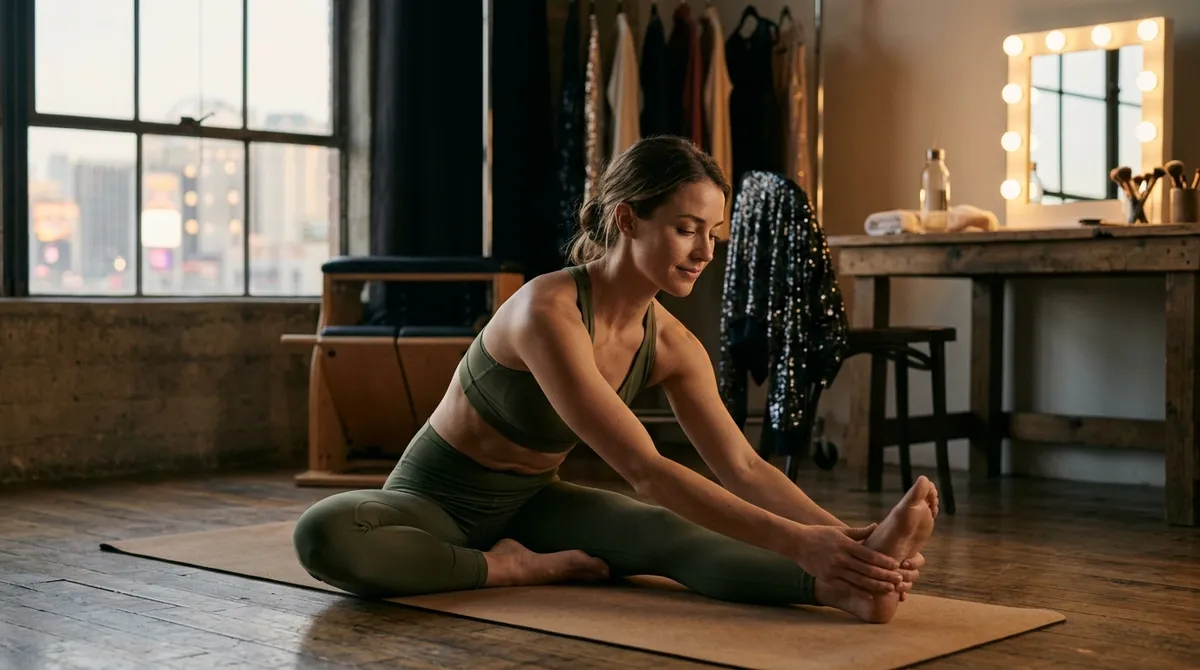
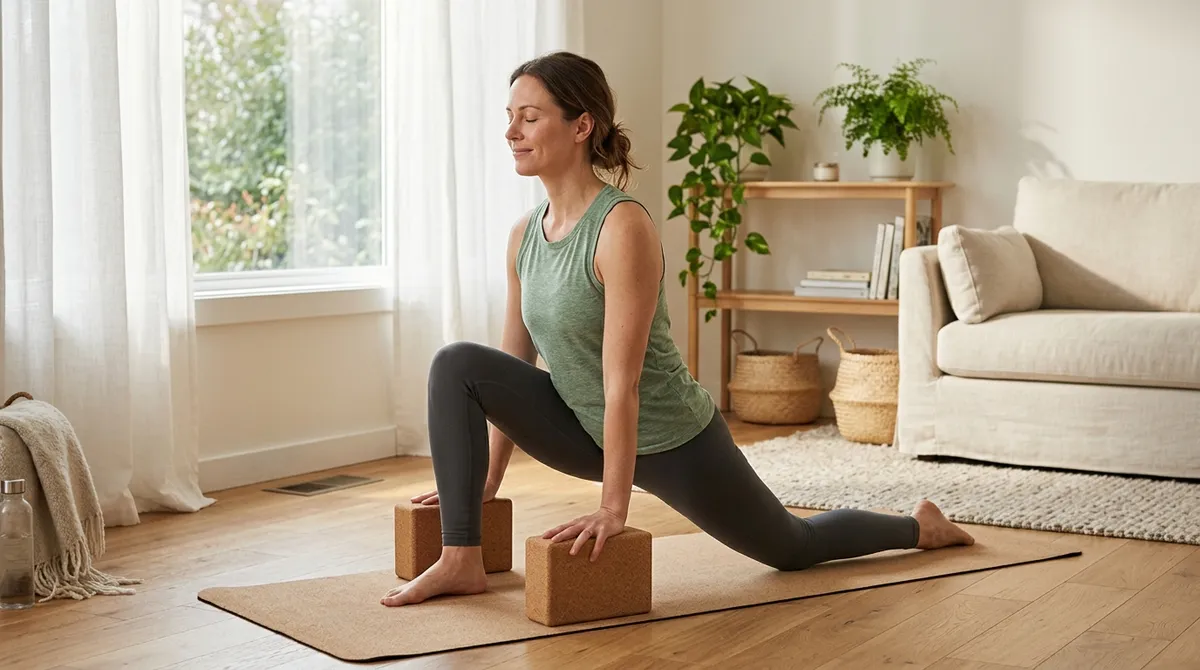
The cool-down. Classes typically end with stretching on the Reformer, taking advantage of the carriage's range of motion to open up the hips and spine. It's a good finish.
What to Wear and Bring
Wear fitted clothing — loose pants can catch on the Reformer's moving parts. Grip socks are required at most studios, Club Pilates included, and many studios sell them at the front desk if you don't have a pair. Skip the heavy sneakers; most Reformer work is done in socks only.
Bring water. You won't be drenched like a spin class, but you will be working, especially toward the end of the session.
How to Get the Most Out of Your First Session
Tell the instructor it's your first time. They can position you near the front, watch your form more closely, and offer modifications if something doesn't feel right. There's no benefit to blending in.
Focus on control, not speed. Beginners tend to rush through exercises to keep up with the class. The actual work happens in the slow, deliberate phase of each movement — the return of the carriage, the lowering of the arms. Slowing down is doing it right.
Don't compare your spring setting. More spring resistance isn't harder — it's often the opposite. The springs assist certain movements and resist others depending on the exercise. Your instructor will set you up with what's appropriate.
Show up twice before deciding. The first class is mostly orientation. The second class is when you actually start to feel the method working, because you're not spending mental energy figuring out the equipment.
Is Reformer Pilates Worth Building Into a Routine?
For most people who try it consistently, yes. The method builds functional strength — the kind that shows up in how you carry groceries, sit at a desk, or recover from a long run. It's also one of the few exercise formats that genuinely works for people with lower back sensitivity, because so much of it is done lying down with a supported spine.
Two to three sessions a week is a common starting point for noticing change. But even one session a week, done consistently, adds up.
If you're in Silver Spring this weekend, the Club Pilates White Oak grand opening on July 25 offers a practical entry point: free intro classes, no prior experience needed, and a chance to try the Reformer before signing up for anything. Sometimes the easiest way to answer a question is just to show up.