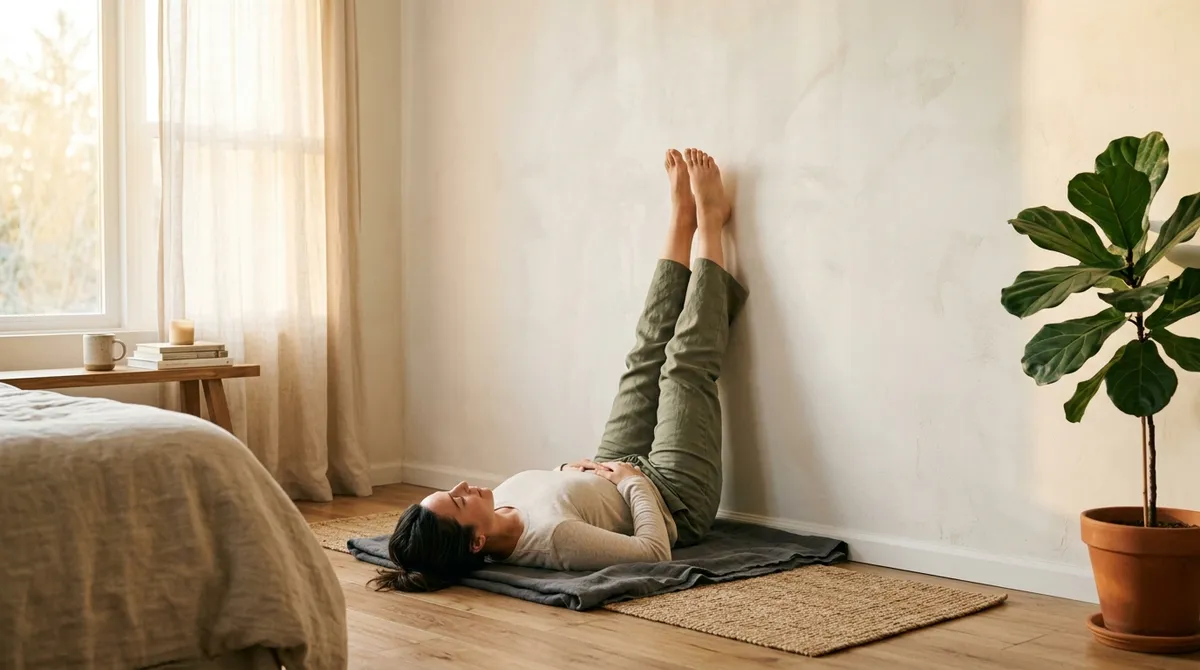
Imagine a pose that offers a sanctuary of calm while delivering numerous physical benefits. Viparita Karani, or Legs-Up-the-Wall Pose, provides just that. This restorative yoga posture is beloved for its simplicity and profound effects on the body and mind. Whether you're an experienced yogi or new to the practice, incorporating this pose into your routine can be a game-changer.
Legs-Up-the-Wall Pose is a gentle inversion that helps balance the body's energy. It's a versatile pose that can be practiced almost anywhere, making it an ideal addition to your daily routine.
Benefits of Viparita Karani
One of the main advantages of Viparita Karani is its ability to promote relaxation and reduce stress. By elevating the legs, this pose encourages blood flow back to the heart, facilitating circulation and reducing swelling in the lower extremities. It can be particularly beneficial for those who spend long hours on their feet or suffer from varicose veins.
Moreover, this pose aids in relieving tension in the back and neck, as the spine is supported and gently stretched. It also offers relief from mild backaches and headaches, making it an excellent option for those seeking to alleviate discomfort without the need for medication.
Beyond physical benefits, Legs-Up-the-Wall Pose can have a positive impact on mental health. The calming nature of the pose helps reduce anxiety levels and promotes a sense of tranquility. Practicing Viparita Karani before bedtime can also improve sleep quality, helping you wake up refreshed and rejuvenated.
How to Practice Legs-Up-the-Wall Pose
Practicing Viparita Karani is simple and requires minimal equipment. Start by selecting a comfortable wall space and gather a bolster or folded blanket for additional support if needed. Sit with one hip against the wall, then gently swing your legs up as you lower your back onto the ground. Your buttocks should be as close to the wall as possible, with your legs extending upward.
Adjust your position for comfort, ensuring that your back and head are supported. You can place a folded blanket under your head for added cushioning. Arms should rest comfortably at your sides, palms facing up, to encourage openness and relaxation.
Once settled, close your eyes and take slow, deep breaths. Aim to stay in the pose for five to fifteen minutes, allowing your body to relax fully and your mind to unwind.
Modifications and Variations
While Legs-Up-the-Wall is accessible to most, modifications can enhance comfort and accessibility. If tight hamstrings or lower back discomfort is an issue, try placing a bolster under the hips to ease pressure. This slight elevation can make the pose more comfortable and effective.
For those seeking a deeper stretch, consider opening the legs into a V-shape while maintaining the support of the wall. This variation adds an element of inner thigh stretching and hip opening.
If the floor setup is challenging, consider using a chair. Sit on the floor with your legs resting on the seat of the chair, creating a similar effect to the wall version. This option is particularly beneficial for individuals with limited mobility.
Incorporating Viparita Karani into Your Routine
Adding Legs-Up-the-Wall Pose to your daily routine is a simple yet effective way to enhance overall well-being. It can be practiced alone or as a part of a restorative yoga sequence. Consider incorporating it into your morning routine to start the day with clarity and focus, or use it as a wind-down activity in the evening to release the day's tensions.
For those with a busy lifestyle, even a few minutes of Viparita Karani can offer a quick reset, helping to boost energy and improve concentration. Regular practice can lead to cumulative benefits, supporting both physical health and mental resilience.
Conclusion
Viparita Karani is a valuable pose that offers a wealth of benefits with minimal effort. Its simplicity and effectiveness make it a favorite among yoga practitioners worldwide. By integrating Legs-Up-the-Wall into your practice, you can experience enhanced relaxation, improved circulation, and a calmer mind. Embrace this pose as a tool for holistic wellness, and enjoy the tranquility it brings to your life.