Poor posture and upper back pain are common issues in today's digital age, where many spend hours hunched over devices. Addressing these problems can significantly enhance one's quality of life. A popular yoga instructor has developed a routine specifically targeting these concerns, offering a refreshing approach to alleviate discomfort and improve posture.
The Importance of Posture Correction
Maintaining good posture is more than just standing upright; it impacts overall health. Poor posture can lead to chronic pain, reduced flexibility, and even respiratory issues. By focusing on exercises that strengthen the back and core muscles, individuals can effectively counteract the effects of prolonged sitting.
Understanding Upper Back Pain
Upper back pain typically arises from muscle tension and imbalances due to poor posture. This discomfort can manifest as tightness across the shoulders, neck stiffness, and headaches. Addressing these symptoms requires a combination of stretching and strengthening exercises tailored to the upper body.
Yoga: A Natural Solution
Yoga offers a holistic approach to relieving upper back pain and improving posture. Through mindful movement and breath control, it enhances flexibility, strengthens muscles, and promotes relaxation. Regular practice can lead to significant improvements in posture and a reduction in back pain.
A Targeted Yoga Routine
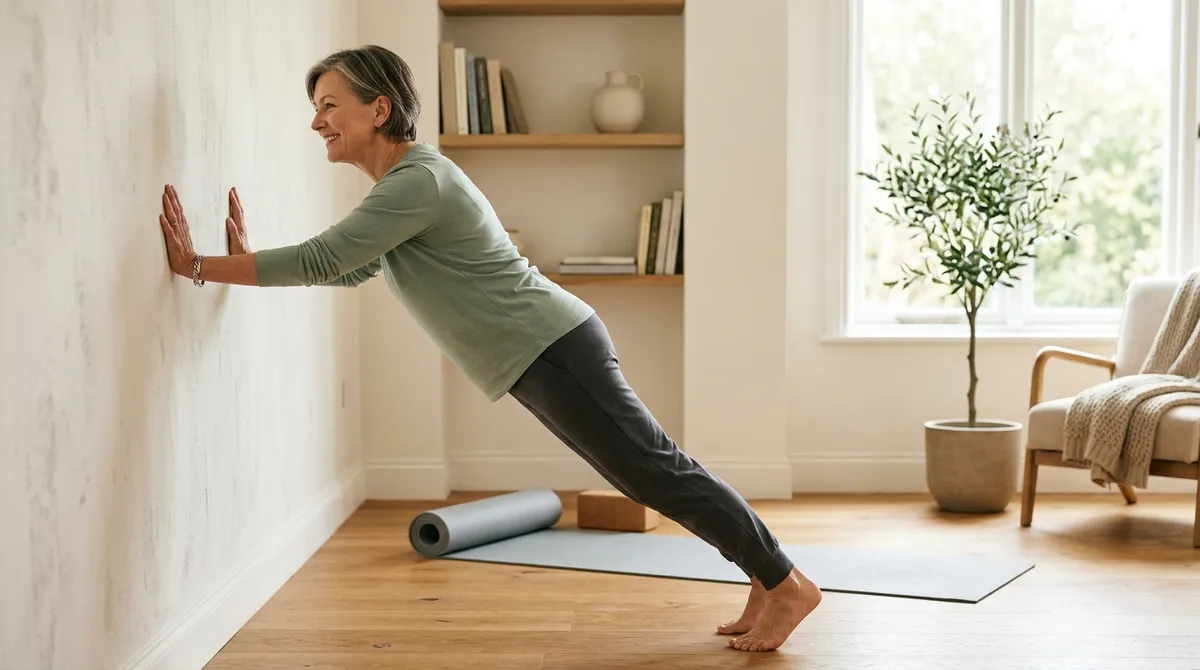
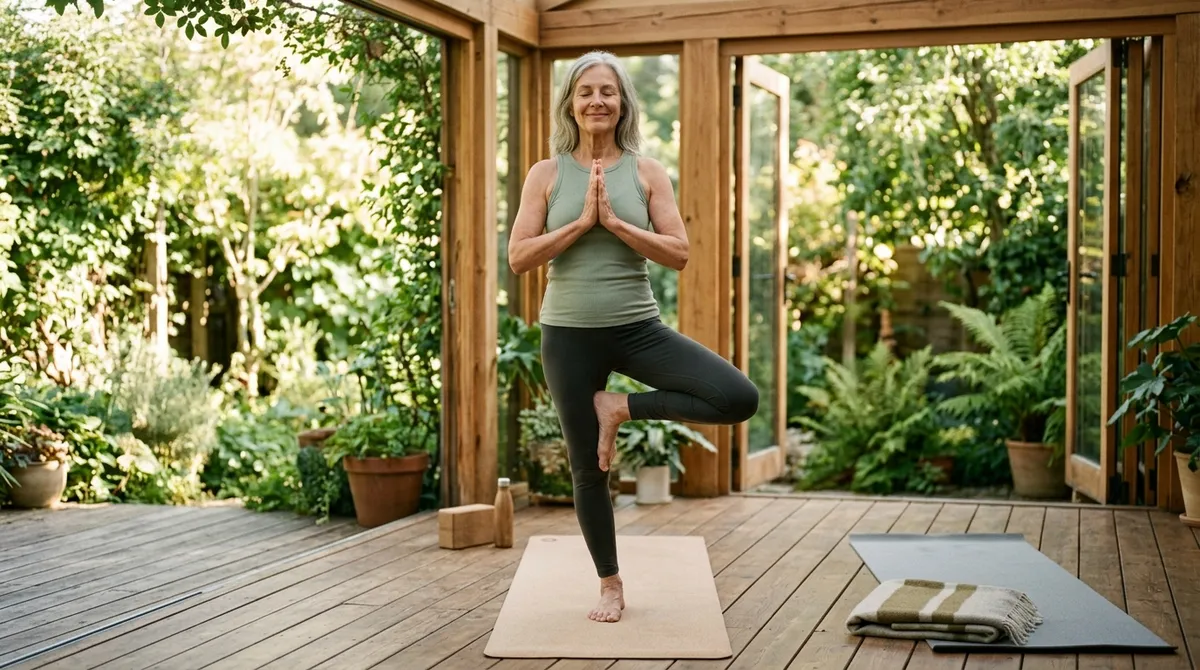
The routine developed by the renowned yoga instructor focuses on specific poses that target the upper back and posture. Incorporating these poses into your daily regimen can help alleviate tension and encourage proper alignment.
Mountain Pose (Tadasana): This foundational pose aligns the spine and encourages proper posture. Stand tall with feet together, shoulders relaxed, and arms alongside the body, focusing on even weight distribution.
Cobra Pose (Bhujangasana): By opening the chest and strengthening the back, this pose counteracts the forward hunch. Lying on your stomach, place hands under shoulders and lift your chest while keeping elbows close to the body.
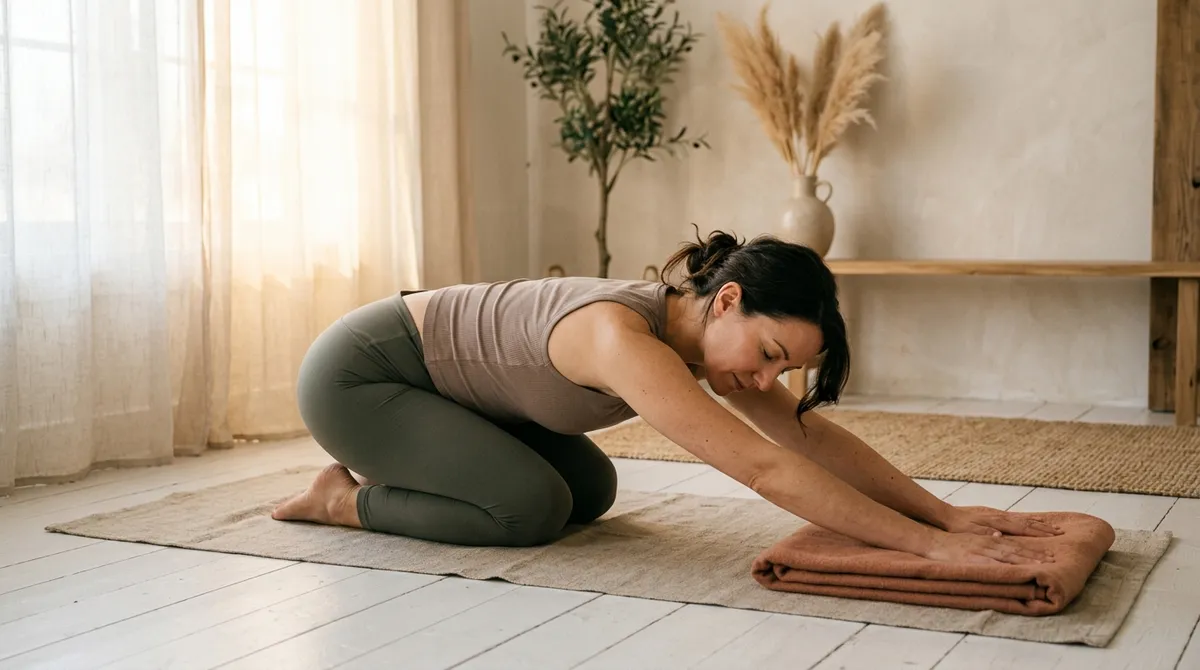
Child's Pose (Balasana): A restorative posture that stretches the back and calms the mind. Kneel on the floor, sit back on your heels, and extend your arms forward, resting your forehead on the mat.
Incorporating Yoga into Daily Life
Integrating yoga into your daily routine doesn't require much time. Even a short session of 10-15 minutes can offer profound benefits. Consistency is key; regular practice can gradually improve posture and reduce discomfort over time.
Creating a Comfortable Practice Space
Having a dedicated space for yoga can enhance your practice. Ensure it is quiet, with enough room to move freely. A yoga mat and comfortable clothing are essential for maintaining focus and achieving maximum benefit from each pose.
The Long-term Benefits of Yoga
Beyond improving posture and relieving upper back pain, yoga contributes to overall well-being. It promotes balance, enhances mental clarity, and fosters a sense of calm. As you progress, you'll likely notice improved energy levels and a greater sense of control over stress.
By embracing this yoga routine, you embark on a journey toward better health and posture. Whether you're new to yoga or an experienced practitioner, these targeted exercises can provide the relief and improvement you seek.