
The Science Behind Aging After 60
According to health experts, aging can accelerate around age 60 due to factors like muscle loss and declining bone density. However, reports suggest that biological aging isn't just determined by genetics—it's significantly shaped by daily lifestyle habits.
Longevity and "healthspan" content is gaining attention as more people seek practical ways to stay strong, independent, and mentally sharp later in life. The good news? You don't have to overhaul your entire life to make a meaningful impact on how you age.
1. Fill Your Plate with Plants
Nutrition experts emphasize the importance of plant-based foods for healthy aging. According to reports, filling your plate with plants can support muscle health, heart function, and brain health as you age.
Plant-forward meals provide essential nutrients that become increasingly important after 60. Focus on incorporating a variety of colorful vegetables, fruits, whole grains, and legumes into your daily meals to support your body's changing needs.
2. Prioritize Strength and Resistance Training
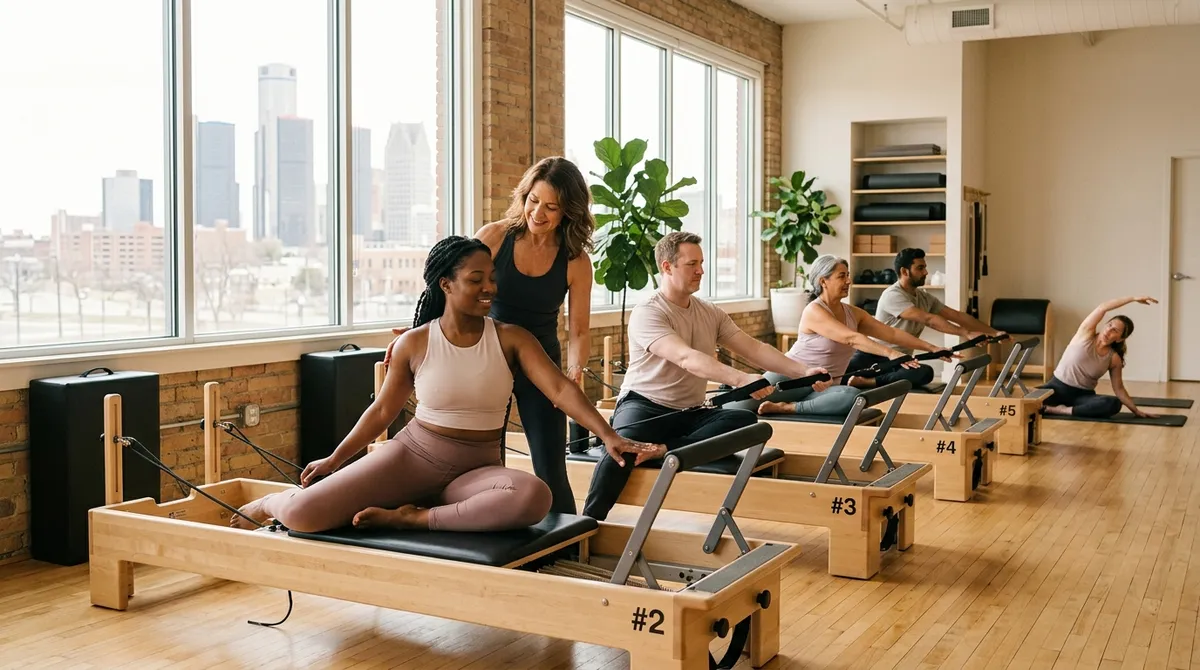
Experts recommend doing strength and resistance training three to four times a week to combat age-related muscle loss. This type of exercise becomes particularly crucial in your 60s when muscle mass naturally begins to decline.
Resistance training doesn't require a gym membership or heavy weights. Bodyweight exercises, resistance bands, or light dumbbells can be effective tools for maintaining and building muscle strength. The key is consistency and gradually increasing intensity as your strength improves.
3. Clean Up Your Bedtime Routine
Sleep quality becomes increasingly important for healthy aging, according to wellness experts. Reports suggest that establishing a clean bedtime routine can significantly impact how well you age.
A proper nighttime routine supports better sleep quality, which in turn affects everything from immune function to cognitive health. Consider creating a consistent sleep schedule, limiting screen time before bed, and creating a calm, comfortable sleep environment.
4. Schedule Regular Mindfulness Alerts
Stress management plays a crucial role in healthy aging. Experts recommend scheduling regular mindfulness alerts in your phone as a simple way to incorporate stress-reduction techniques throughout your day.
These mindfulness moments can be as simple as taking deep breaths, practicing gratitude, or doing a brief meditation. Regular stress management becomes particularly important after 60, as chronic stress can accelerate the aging process.
5. Invest in Proper Hydration
Hydration becomes more critical as you age, according to health reports. Experts suggest investing in a water bottle you love and refilling it throughout the day to maintain optimal hydration levels.
As we age, our sense of thirst may diminish, making it easier to become dehydrated. Proper hydration supports everything from joint health to cognitive function, making it a simple but powerful anti-aging strategy.
It's Never Too Late to Start
The most encouraging aspect of these expert-backed strategies is that they can be started at any time. Whether you're approaching 60 or well beyond it, incorporating these habits into your routine can help improve strength, brain health, and energy levels.
The focus should be on progress, not perfection. Small, consistent changes to your nutrition, exercise routine, sleep habits, stress management, and hydration can compound over time to create significant improvements in how you feel and function.
Building Your Healthspan
These five strategies work together to support what experts call your "healthspan"—the period of life spent in good health. By taking a proactive approach to aging through these evidence-based lifestyle modifications, you can work toward maintaining independence and vitality well into your later years.
Remember, biological aging is influenced by daily choices. Starting with even one of these strategies can set you on a path toward healthier aging and improved quality of life.